
 6 months ago
49
6 months ago
49
ARTICLE AD BOX
Hot Topic
ER premiered when I was in elementary school. I remember the exact Thursday night it aired on NBC, when must-see TV was a very real thing, and you’d need to watch live or be savvy enough to know how to schedule your VCR to record it.
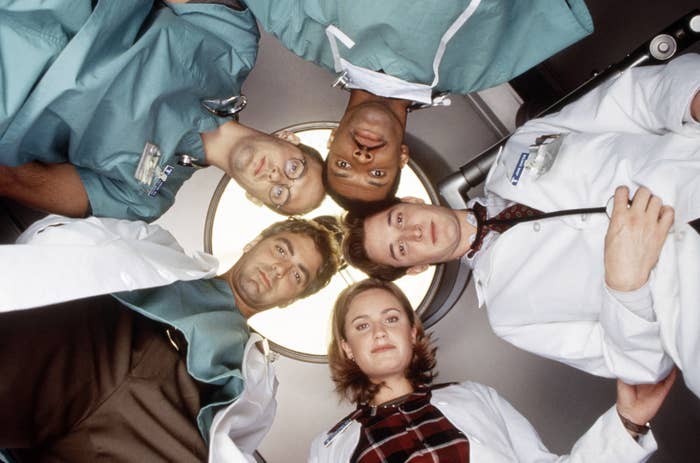
Paul Drinkwater / TV Guide / ©NBC / courtesy Everett Collection
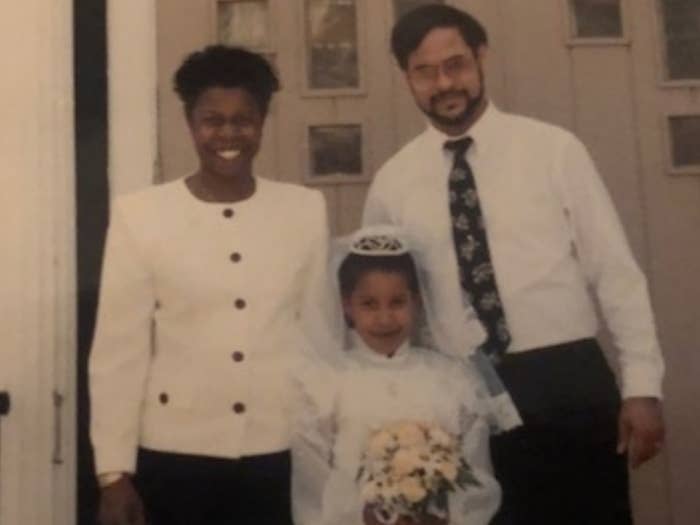
Mom was excited about this show, deemed to be cutting-edge and a “true to life” view of what it’s like to work in an emergency room setting. Here she is in the '90s looking like Aunt Viv with my Dad. And me, a serious ER-loving kid.
Jada Gomez/BuzzFeed
Back then, I was absolutely set on being a doctor (I even finished all of my pre-med requirements in college before pursuing journalism), and so Mom allowed me to stay up on Thursday nights to watch.
And I was absolutely sold. Every time the EMTs would roll in a gurney and the music got intense, I tried my best to study every single motion of the scalpels and learn all of the lingo, so that I’d be way ahead of schedule by the time I even got to high school.
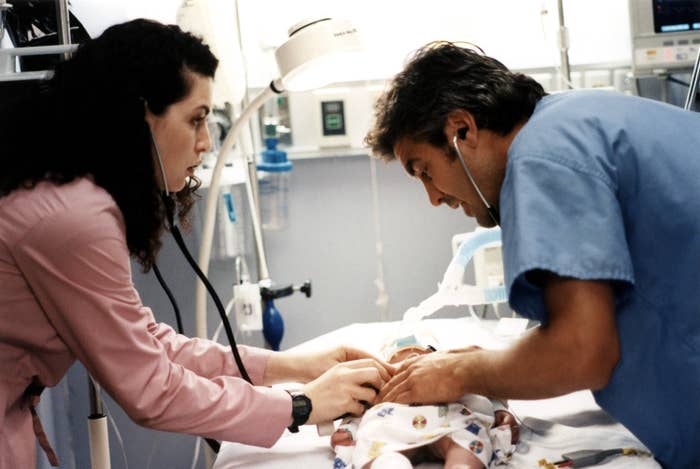
©NBC / courtesy Everett Collection
I breathed a sigh of relief when the beats of a heart monitor would steady, and felt a pit in my little stomach when the patient coded, right before the theme song started.
Like every ER fan, I had my favorites. I thought Dr. Greene was the County General superhero, and I desperately wanted to be like him when I grew up. I thought Nurse Carol Hathaway was so gentle with the pediatric patients. And the young medical student, John Carter, seemed to portray what my first years of medical school would look like.
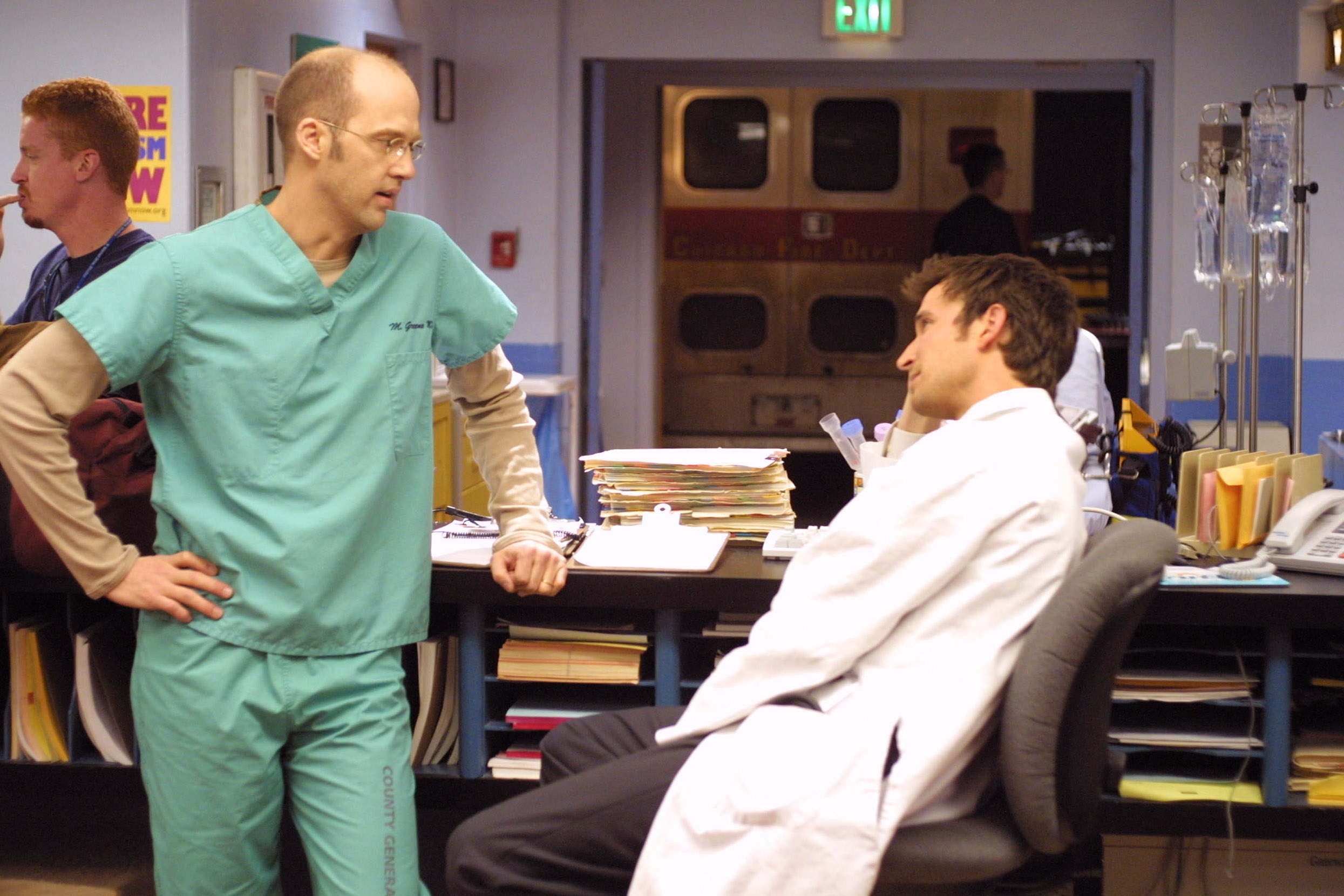
©NBC/Courtesy Everett Collection
Except as a kid who’d only gotten a B one time, in Art, I thought quite confidently that I would never make as many mistakes. I was a swaggy grade schooler.
Hot Topic
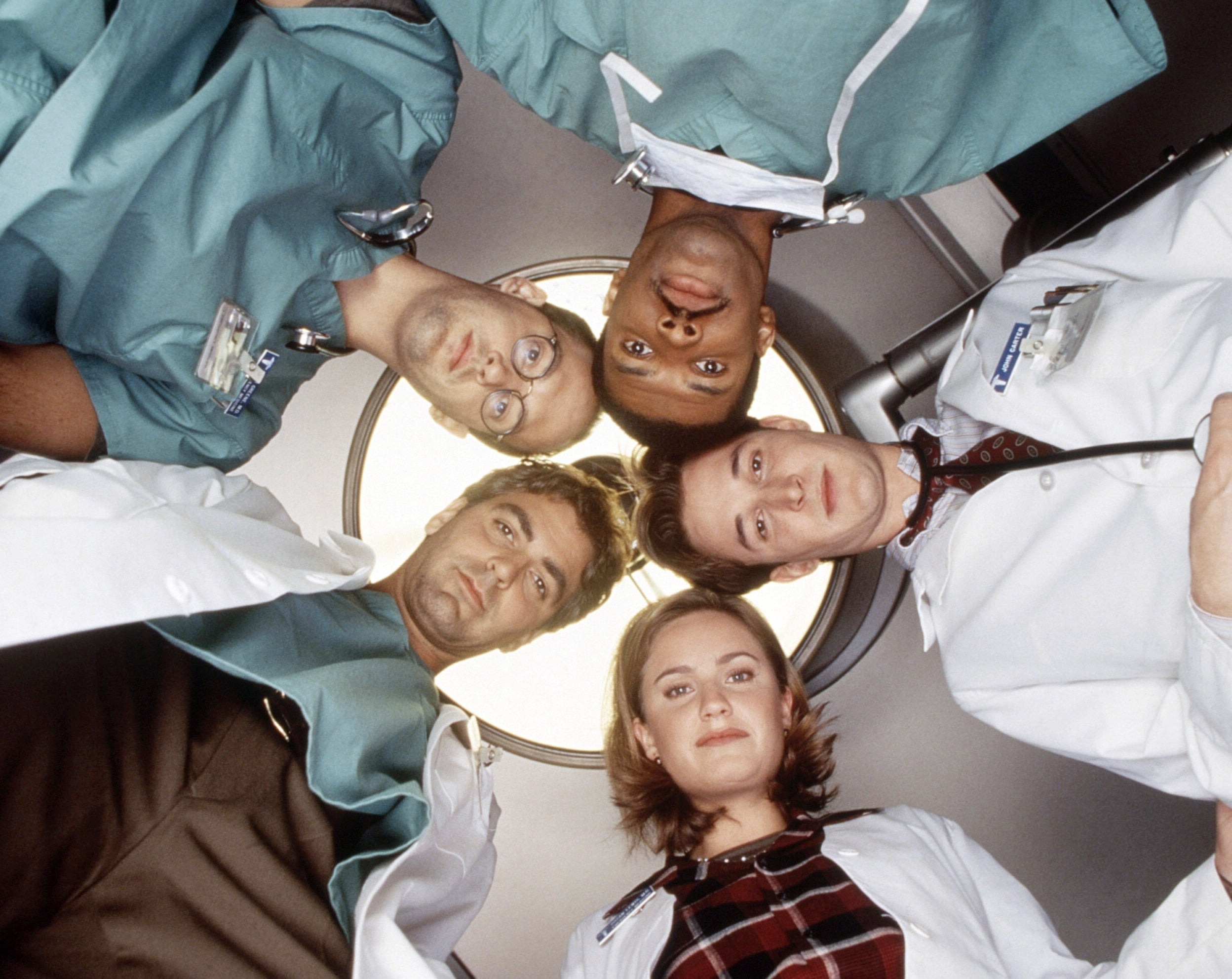
Let's chat about all things ER
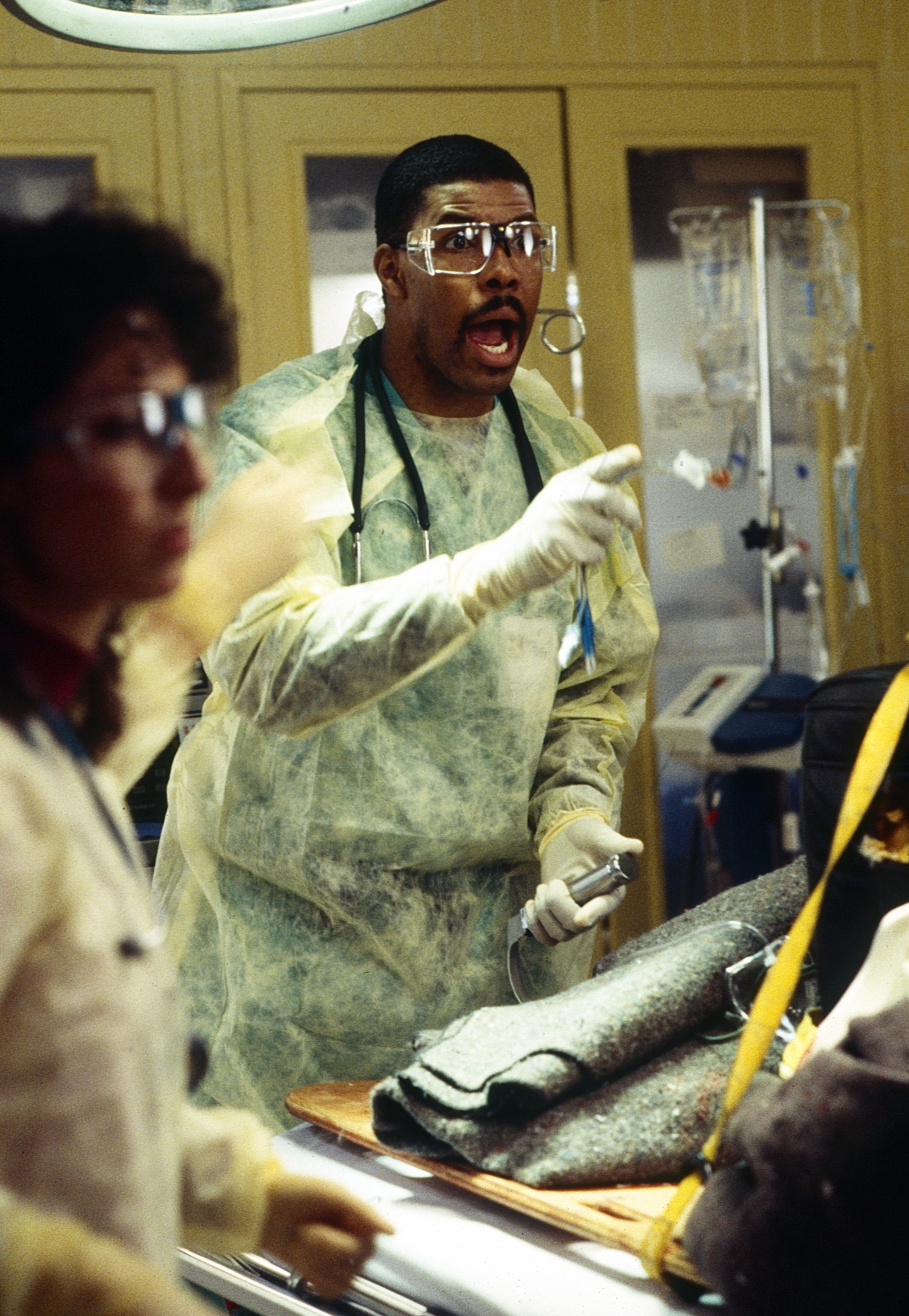
But the one character I absolutely did not like was Dr. Benton. I thought he was mean (did he seriously have to yell “CARTER!” all the time?), a terrible team player, and ambitious in a way that was not applauded at my Catholic elementary school.
Alice S. Hall/©NBC/Courtesy Everett Collection
Outside of Dr. Benton, the only other role I knew Eriq La Salle from was as Lisa's jerk of an ex-boyfriend, Darryl Jenks, in Coming to America. I'm sorry, Mr. La Salle. I was just a kid; I thought you were really your characters!
Thirty years later, I rewatched ER. Candidly, I had just been laid off, and I was grieving my Dad. So I needed something that felt familiar with a ton of seasons so I could bed rot for hours on end.
©NBC/Courtesy Everett Collection
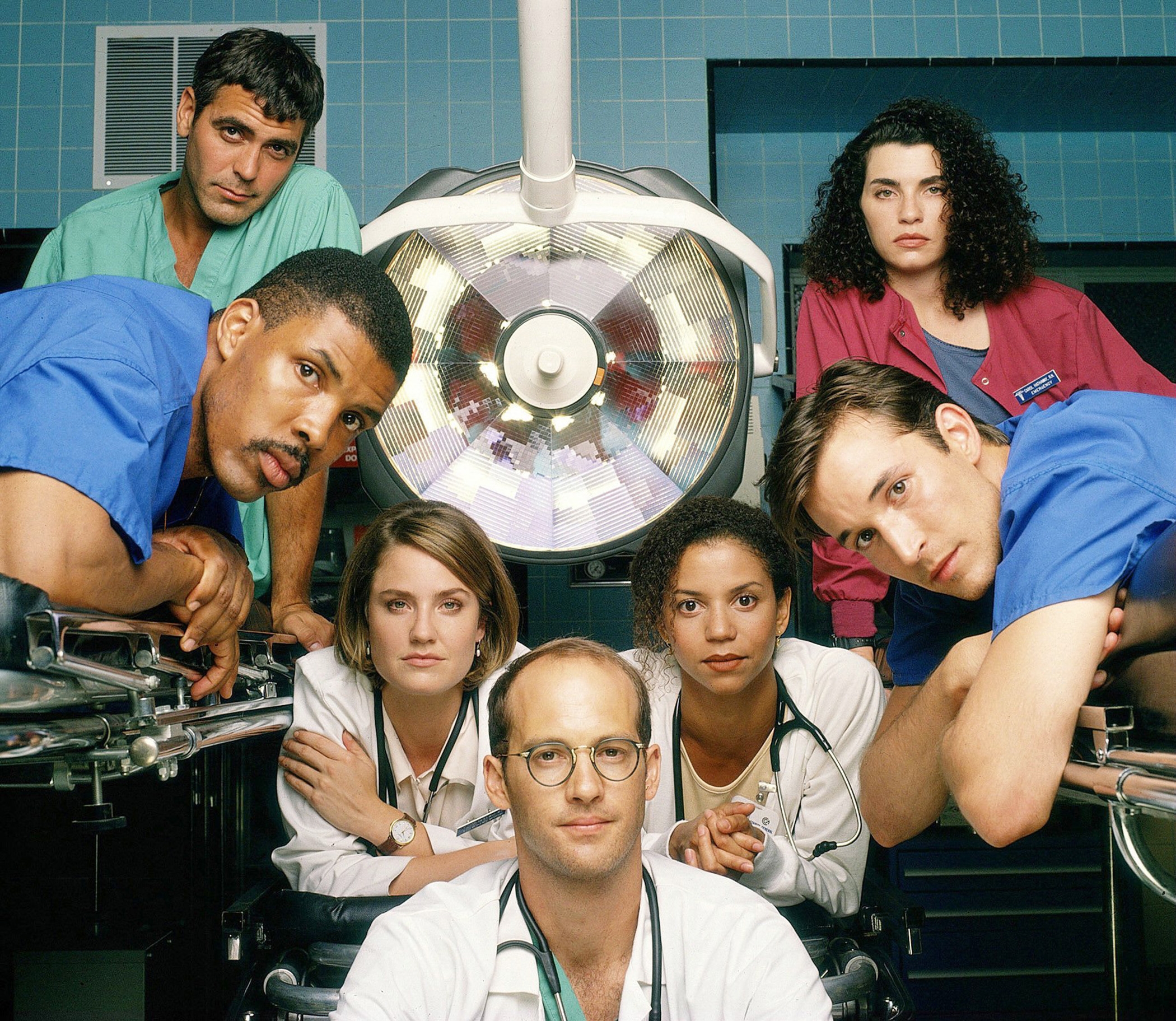
And as I was reintroduced to these characters through adult eyes, I had a completely different perception of them than I did through the binary lens of my childhood.
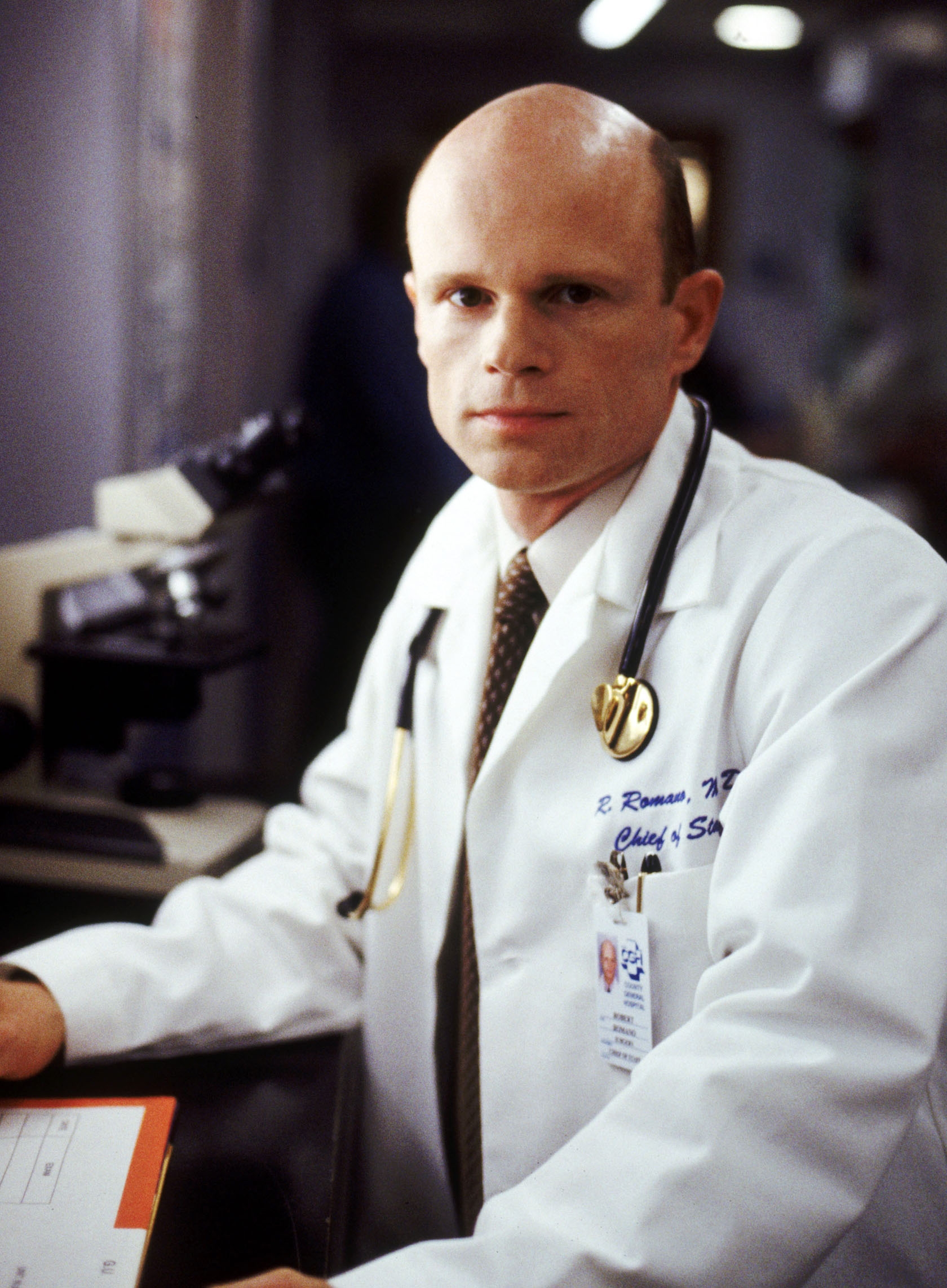
Every character had layers; there was no "good guy" or "bad guy." I take that back. Dr. Romano was the bad guy, no question about that.
©NBC/Courtesy Everett Collection
That guy can step on multiple Legos.
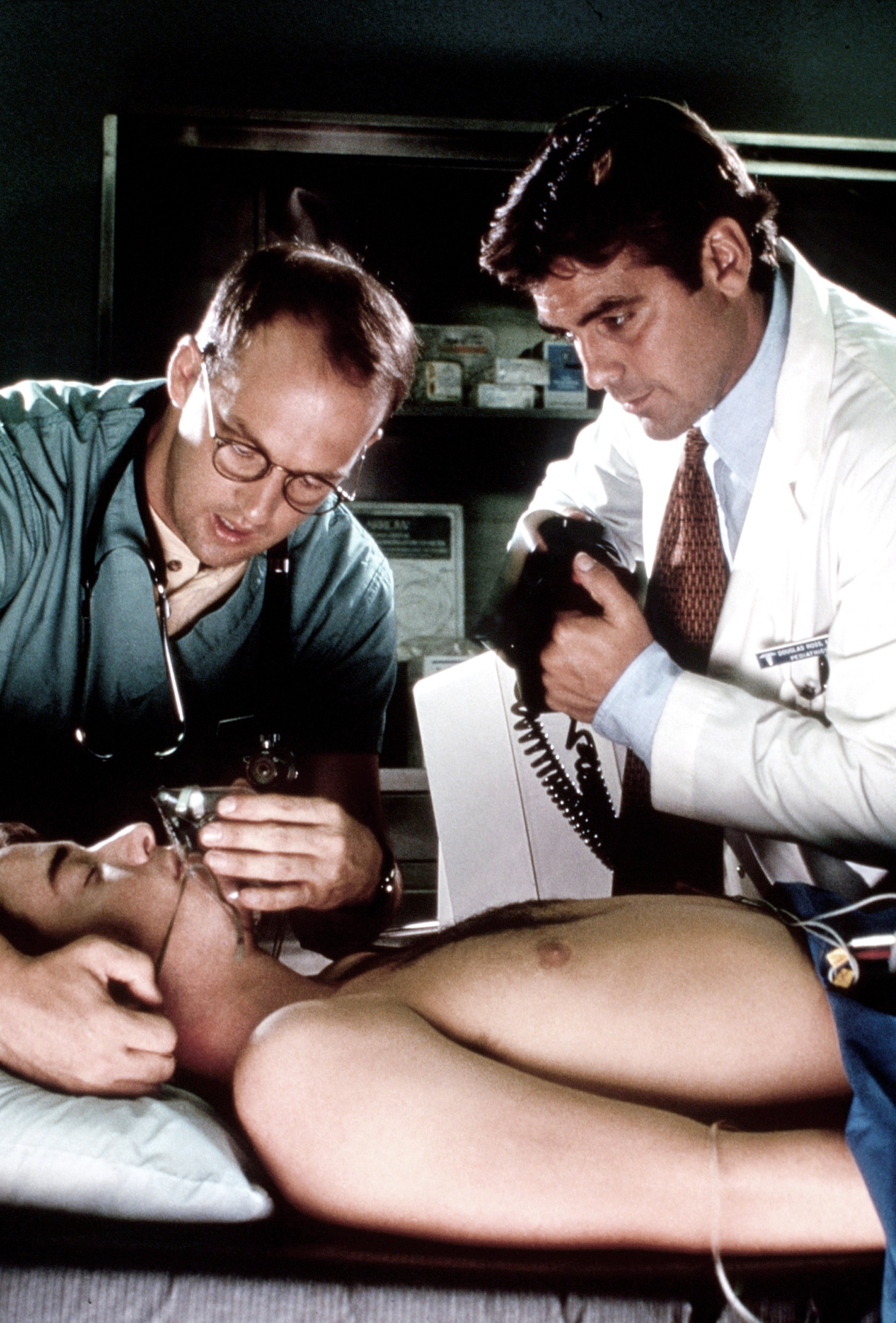
For me back then, Dr. Greene was the truth. As an adult, I watched him stereotype Black patients, and deny treatment to a Black woman because he thought she was on crack. He comes to terms with his blind spots in the series, but still a hard pill to swallow.
Chris Haston / TV Guide / ©NBC / courtesy Everett Collection
It stung to see my childhood medical superhero through an adult lens. But at the same time, I’m glad that as a child, I was able to experience the series with the wonder of youth.
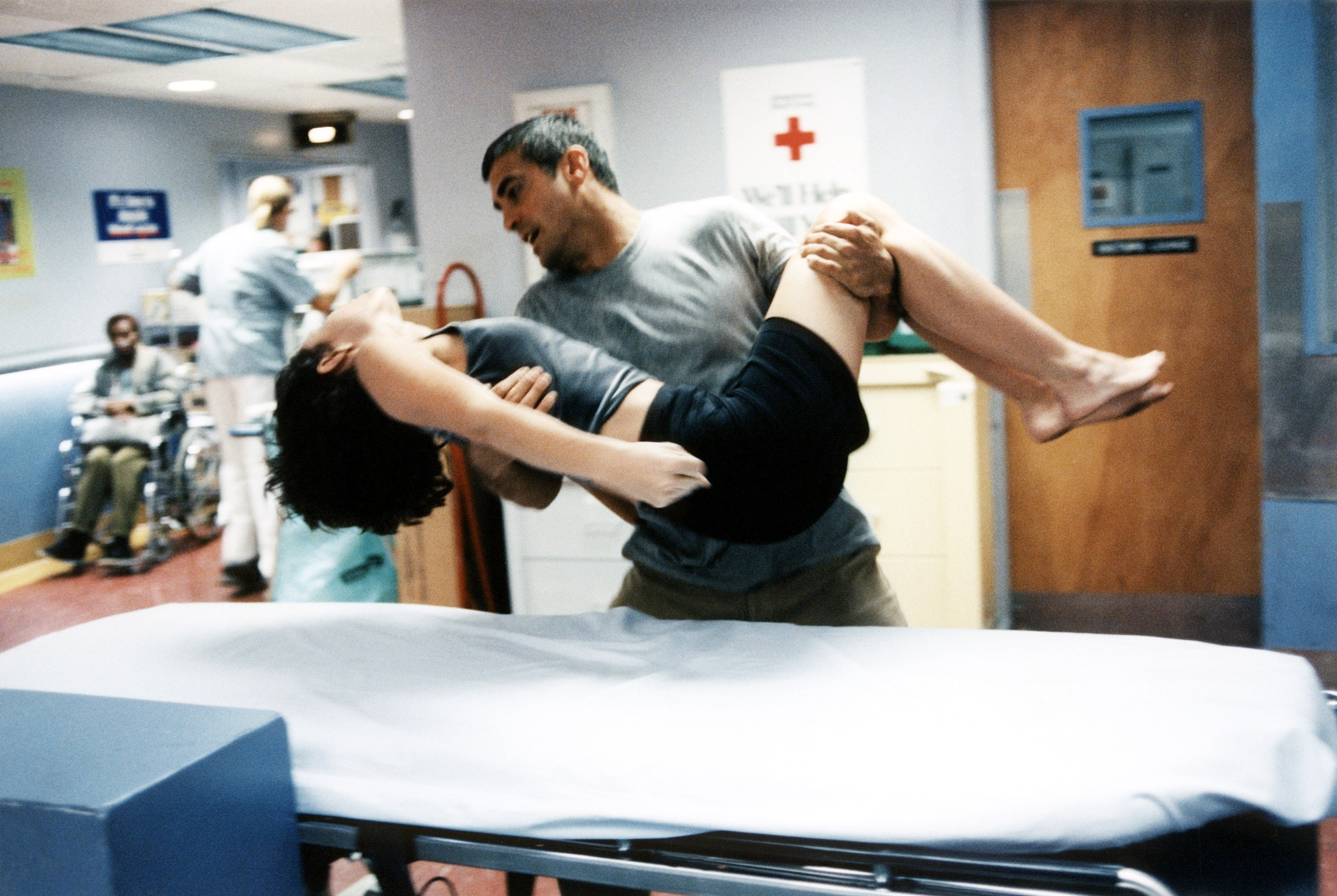
I had no idea that Carol almost died from an overdose. I think my mind completely skipped that part because it wasn’t a concept I understood at that time.
©NBC / courtesy Everett Collection
And without the unrivaled confidence of a grade schooler, I realized I’d be barely surviving as a medical student, just like Dr. Carter.
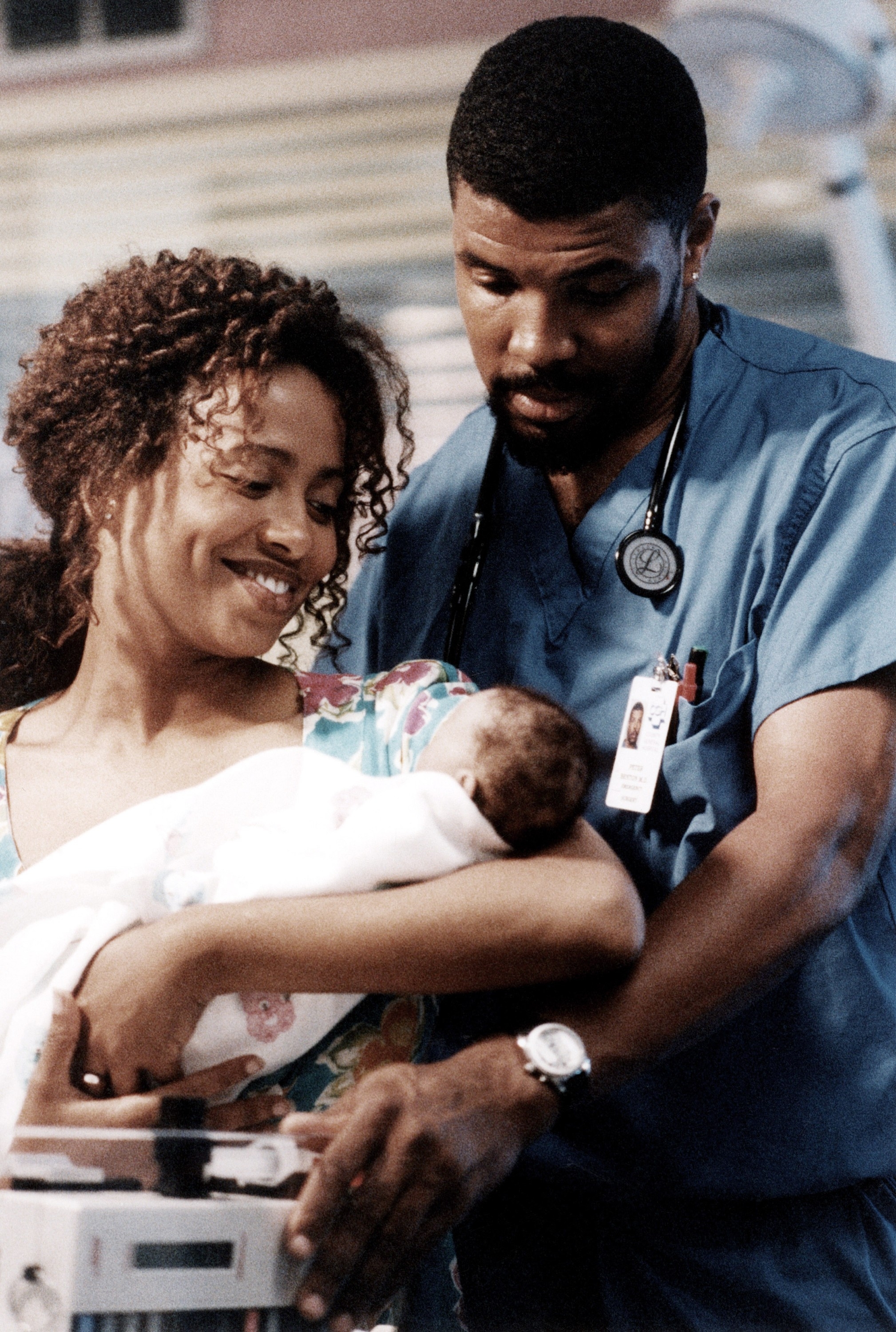
But my perception of Dr. Benton has undergone a complete 180.
©NBC / courtesy Everett Collection
In 2025, Dr. Benton is hands down my favorite part of ER.
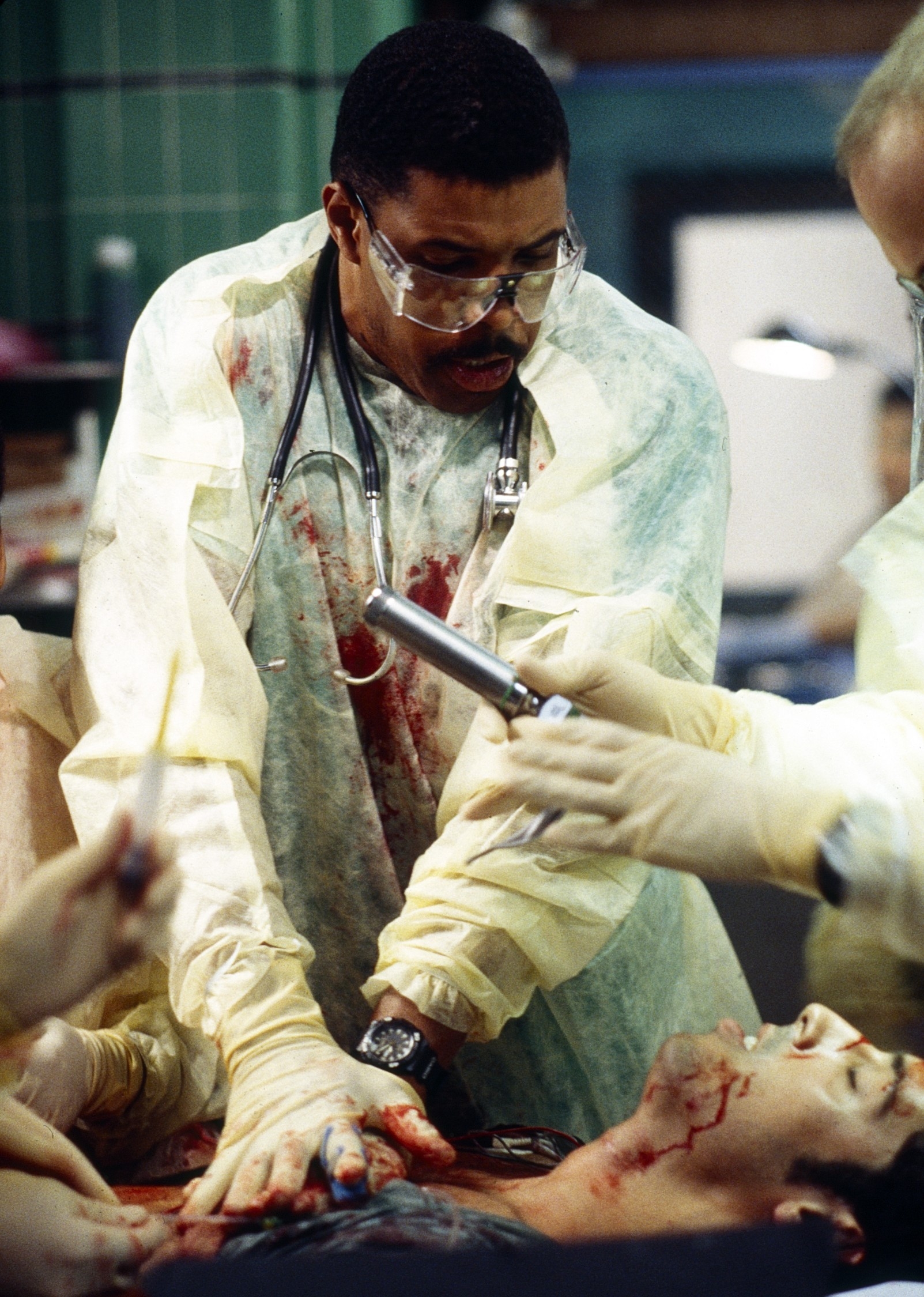
Benton was a Brilliant, with a capital B, young surgeon. He knew that he had to be better than the best to be the attending surgeon, and he’d have to be a surgical god to keep ascending.
Alice S. Hall/©NBC/Courtesy Everett Collection
For him, there was no room to joke around with his coworkers during work hours or sing Christmas carols to lighten the mood in a tense clinical setting. And when he was done with work, he wanted to go home and mind his own business.
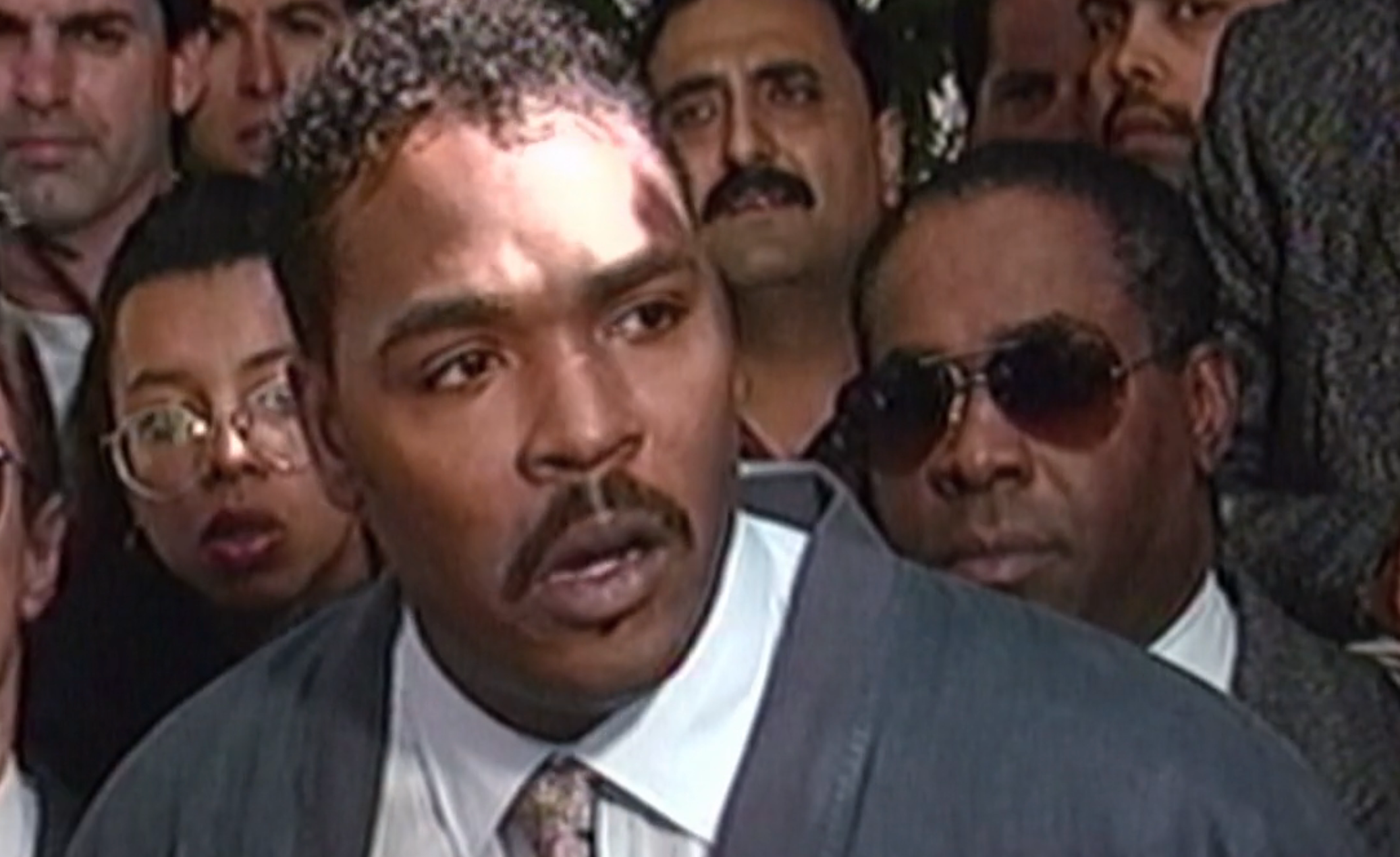
Considering that Benton was a Black surgeon during the era of racial profiling in the form of Rodney King and the LA riots, Black people being accused of “playing the race card,” and zero inclusion and belonging support, I can confidently say that young man was tired and needed to isolate to preserve his sanity.
HBO Max
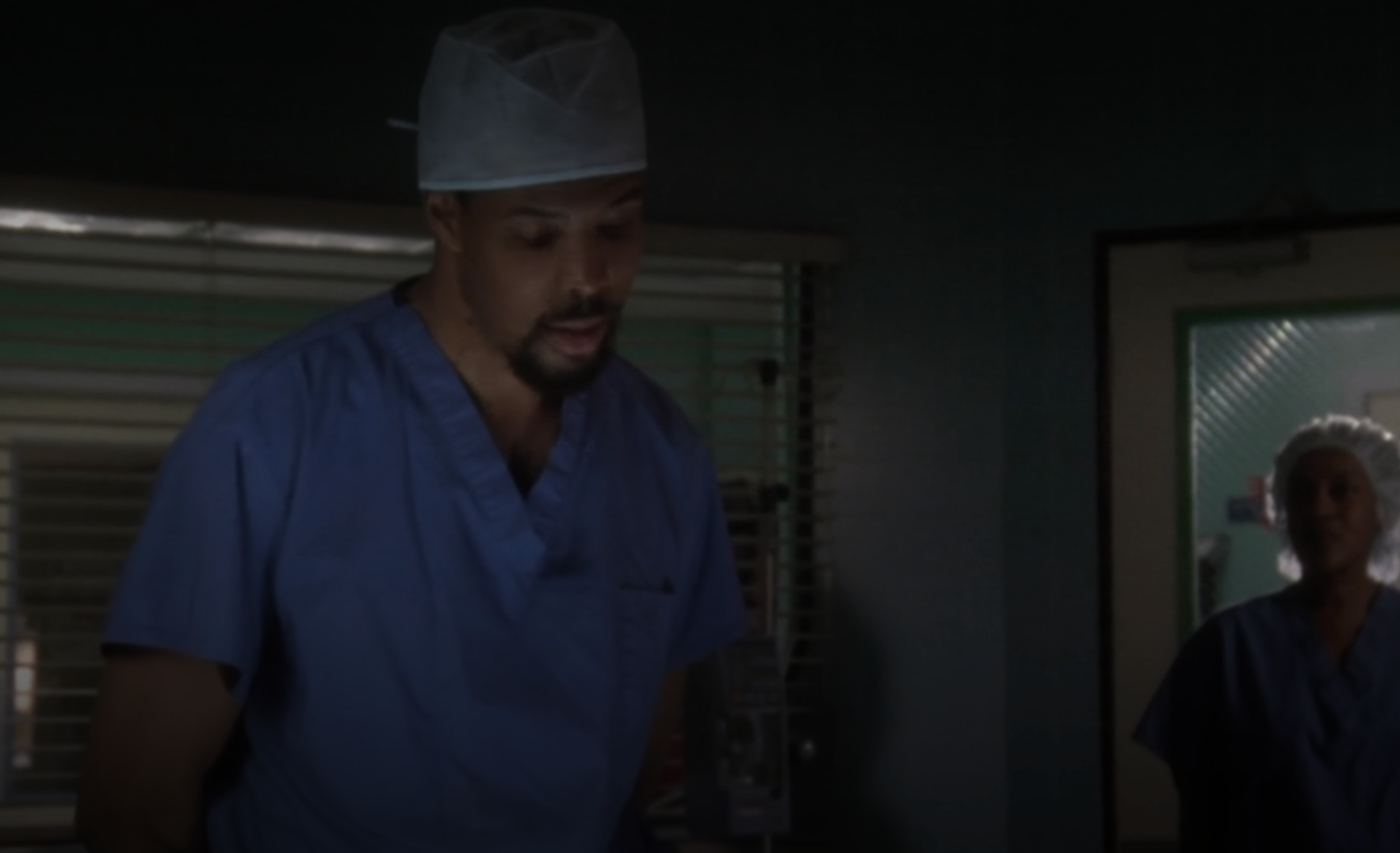
In my summer watch, I noticed that Benton, as Black and confident as ever, had every right to act as a superb surgeon. He was tapped in for unimaginable saves. And under his tough exterior, he cared about his patients with a ferocity that was truly heroic.
HBO Max
One of my favorite things to do is to watch documentaries and old shows from the '90s, and ask my mom what she thought about them back then. Not only does it fill the blanks for concepts I was processing with a child's limited experience, it also teaches me new things about her.
©Fox Television / Courtesy Everett Collection
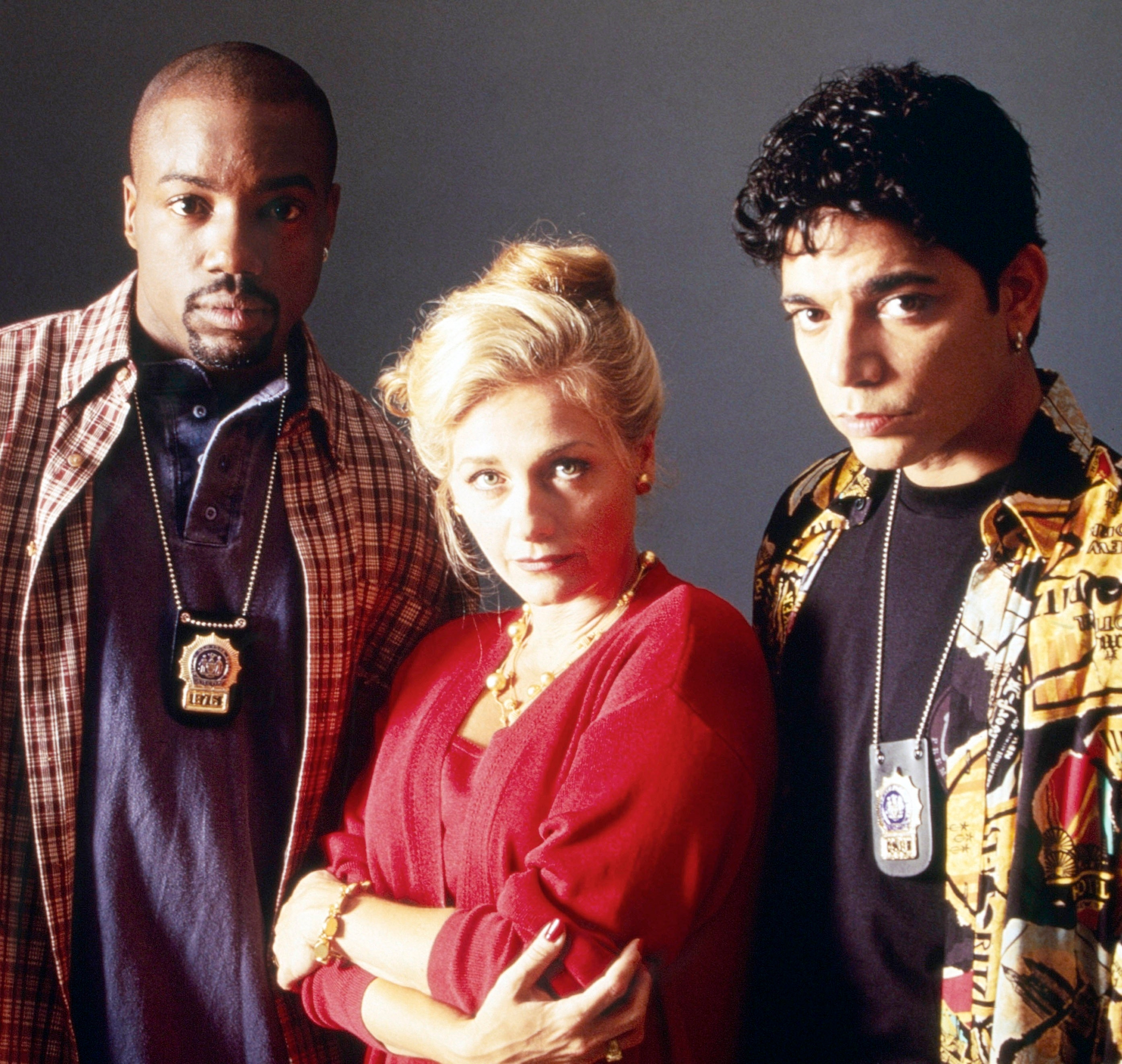
One of our other '90s Thursday night go-to's was the iconic canon of New York Undercover. I loved that Detectives JC and Eddie were Black and Puerto Rican like me, and the musical guests were just magical.
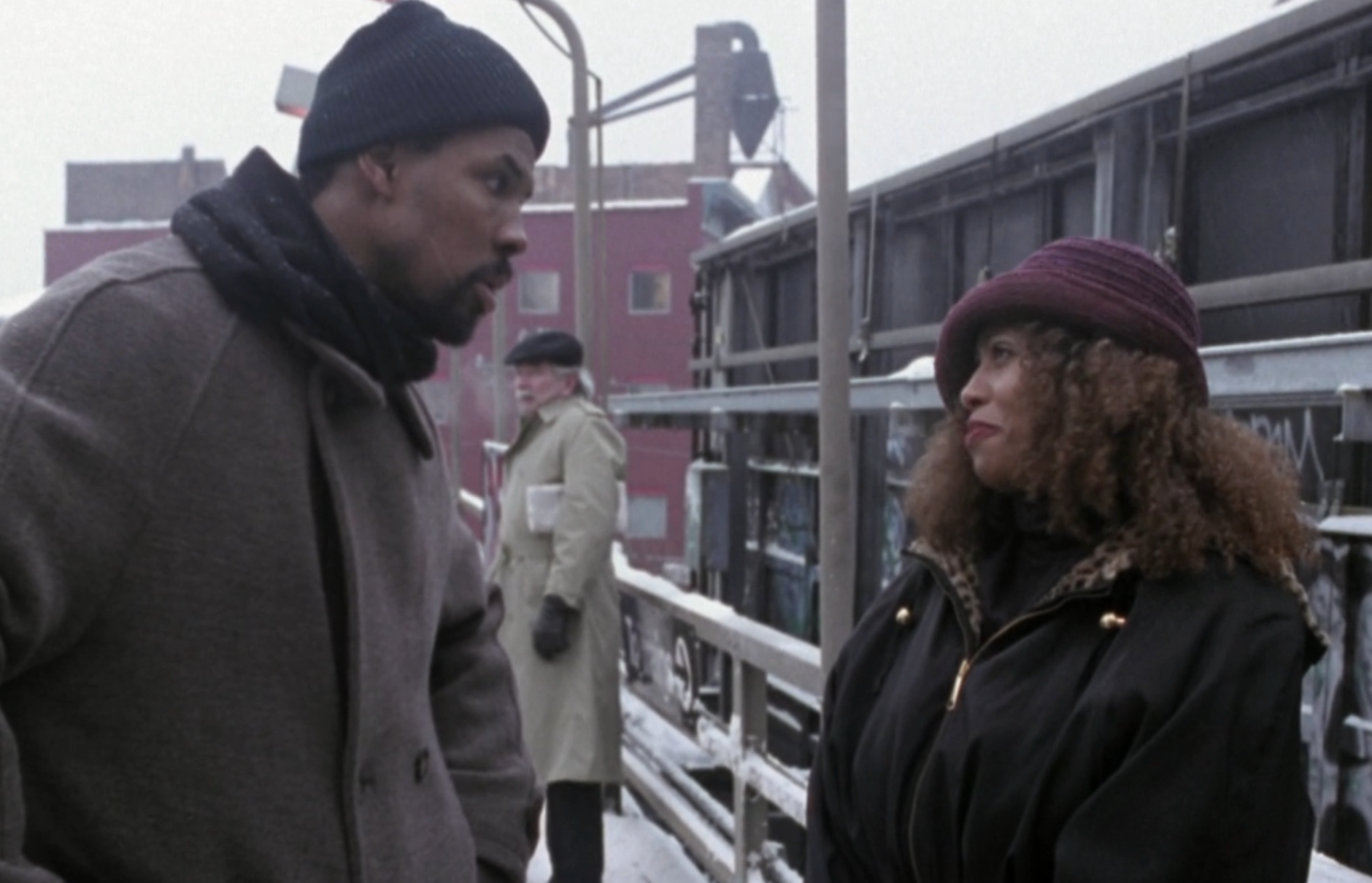
So during my recent ER watch, I naturally asked my favorite '90s pop culture historian, Mom, what she thought about Dr. Benton back in the '90s. Immediately, she talked about her pride. "I watched all of it," she said, a true ER long hauler. "It made me feel proud, because I know he had to really work hard. And I think that the fact that he had that poker face throughout portraying Dr. Benton is understood as a Black person."
HBO Max
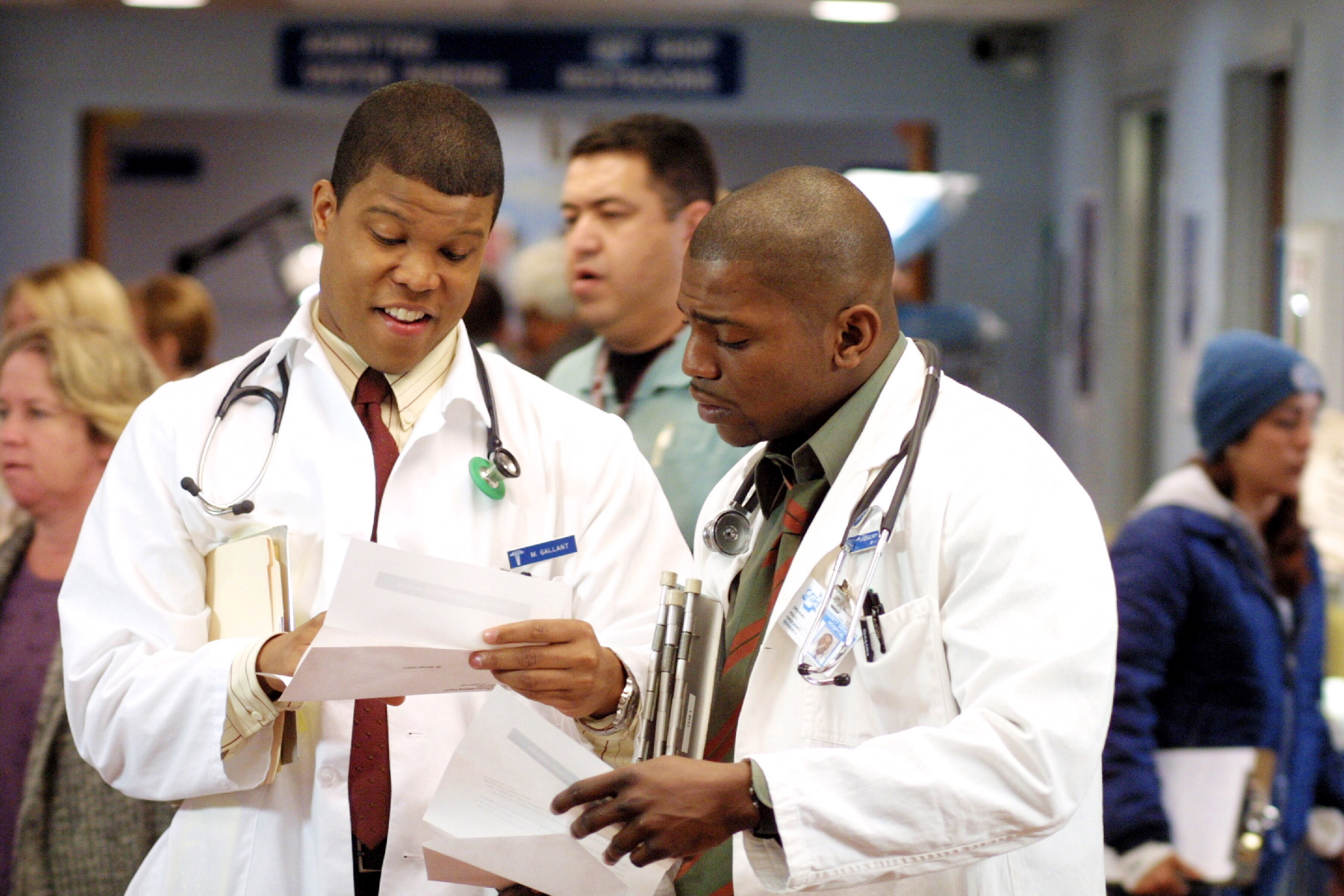
Dr. Benton showed that yes, there are extremely talented Black surgeons. And they're excelling under unimaginable pressure.
"I was proud that ER and the producers were able to put him in, because they didn't have to," Mom shared. "And not only that, he was a surgeon, and that's like you’re royalty in the medical field. But what I liked is they put all the other stuff in there, too, which was real. Because I've seen some shows where they have the Black doctors, but it's not real."
©NBC/Courtesy Everett Collection
"It doesn't give the realistic side of being a Black doctor in a hospital," she continues. "They dress it up, they leave stuff out. But for his role, it was realistic."
Working in banking in the '90s, Mom went through some of the stereotyping Dr. Benton experiences in the series. "I can relate to different things he probably encountered with coworkers," she said. "People will still feel that you got there without working hard and not knowing what you know."

Jada Gomez/BuzzFeed
"I was young then, and you don't know, but as you get older, the longer you are in the workforce, you start to recognize a lot of different things," Mom said. "You see it coming before it’s in your face. I used to always think when I was young, all I had to do was go to work and do my job, get my paycheck, and that's it. How hard is that?"
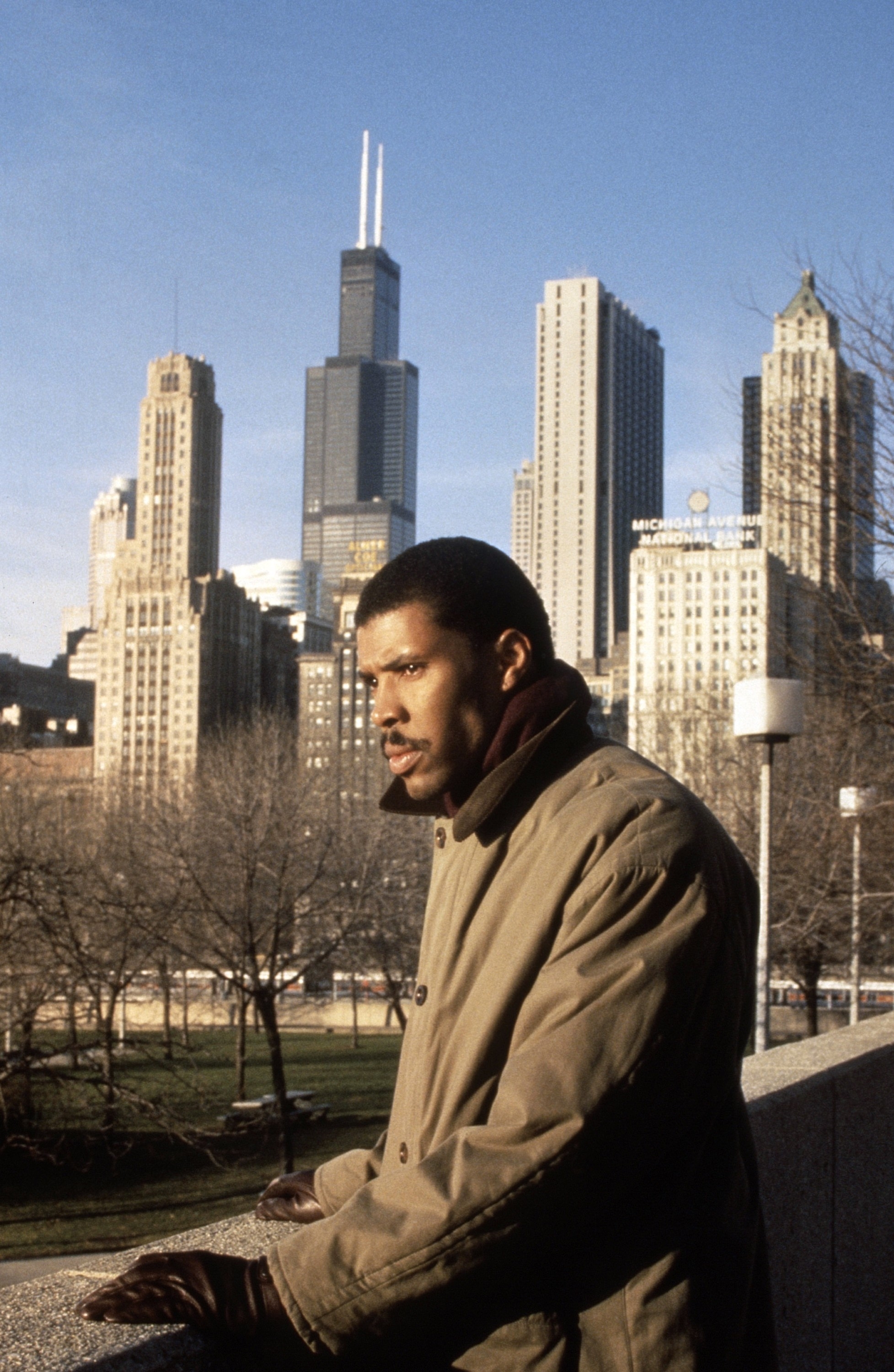
"With Dr. Benton, I could see it automatically, because I've been through it," Mom reflected. "By that time, I was in the workforce for 20 years, so you recognize it right away."
Jean Krettler / TV Guide / ©NBC / courtesy Everett Collection
"Some folks bring their baggage, and sometimes their attitude, sometimes their prejudice, all that stuff you have to navigate through just to survive in the workplace," she shared. "So, I found that the job was a piece of cake to do, but it was dealing with all the other stuff that was really the hard part."
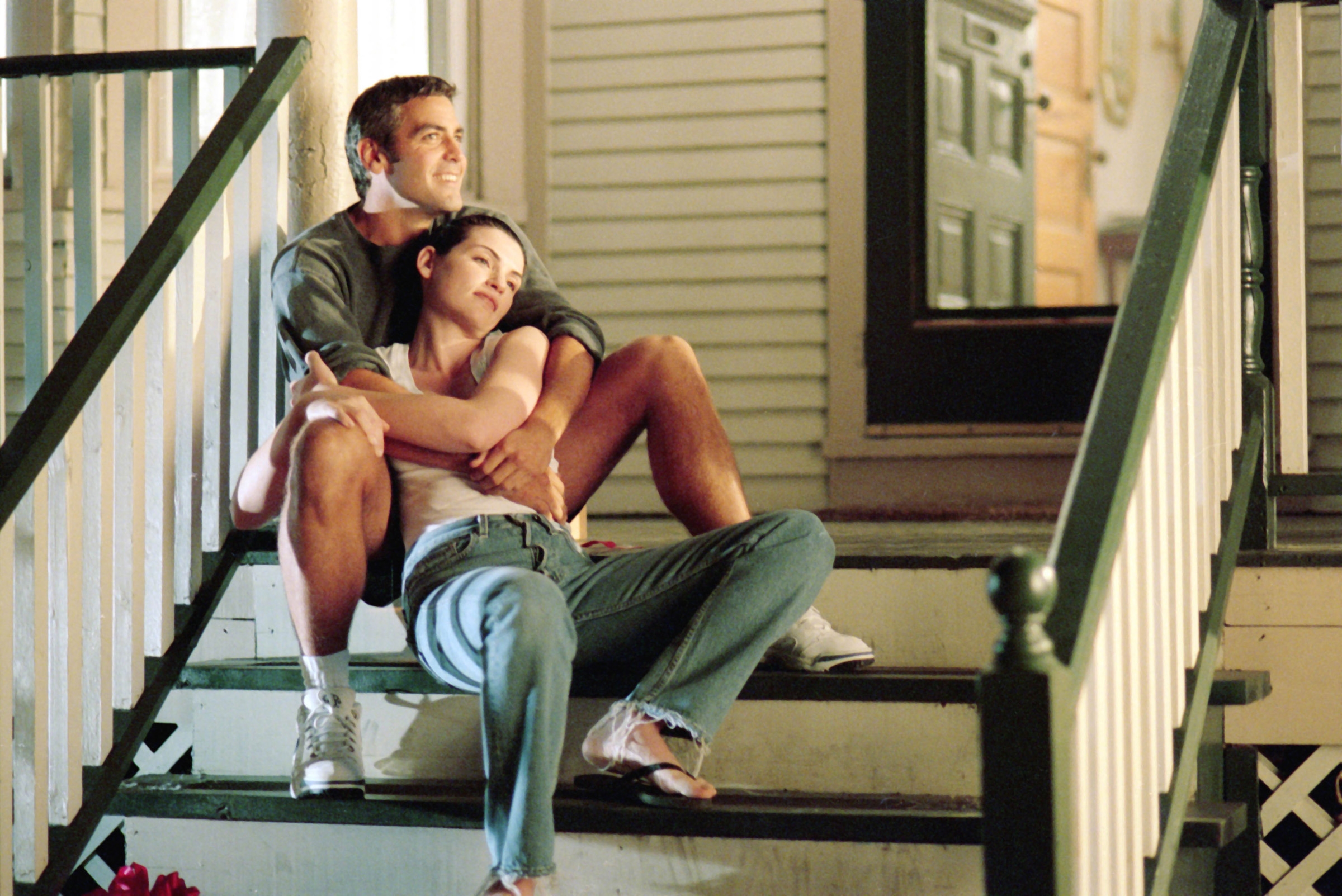
Mom enjoyed the entire series — all of the storylines and the main leads. "I really liked ER so much, not just for him, but all the other doctors and the patients," she said. "It was realistic. It wasn't dressed up. Carol was a true hero. And I was just so proud, she is an excellent actor. She was on the ball and of course, Clooney, he was good, too. And that role was made for him."
©NBC/Courtesy Everett Collection
It's safe to say Mom had a crush on George Clooney back in the day, which I also experienced 30 years later. During my rewatch of Season 1, I called her to tell her that he was super gorgeous. She told me I was late.
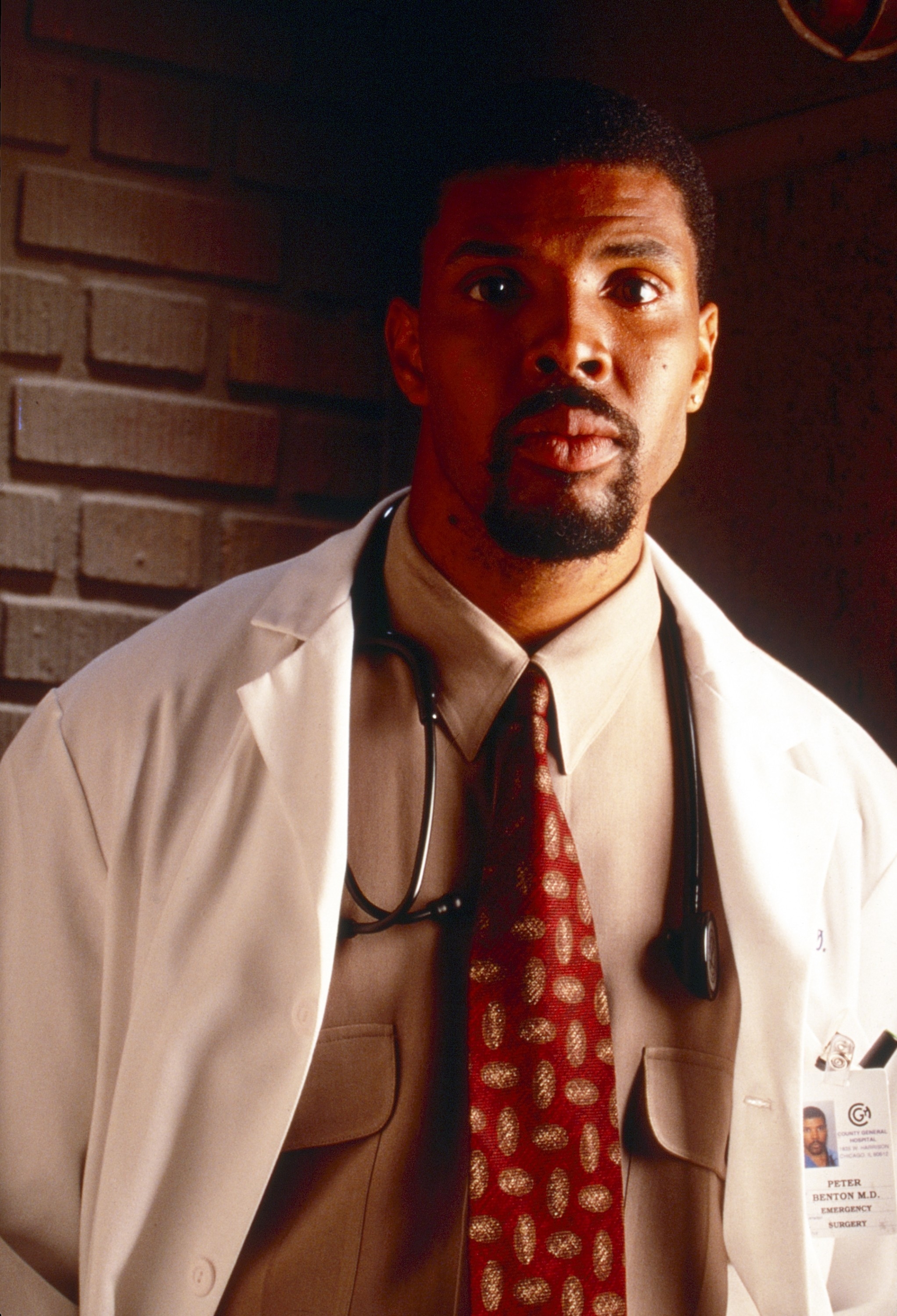
A period of loss might have lead me back to ER, but I'm really glad that it did. Not only do I see Dr. Benton in the lens he deserved all those years back, his storyline is helping me deal with the anxiety of not feeling as confident and steady as that little girl years ago, after some heavy life experiences. Somewhere deep down, there's that self assured kid who only got one B in her life — in Art.
Chris Haston /© NBC /Courtesy Everett Collection
And in honor of the greatest surgeon in television history, I'm telling her, "Let's move!"


 English (US) ·