
 3 months ago
21
3 months ago
21
ARTICLE AD BOX
A roundup of the "hold up… what?!" facts I ran into this past month.
Well, it may be a new year, but I want to look back at December 2025 and everything I came across that month, because a few things I learned then really made me pause. From obscure pop culture tidbits to the wild origins of some of our favorite products, these were the things that made me think, Wait… seriously?! Here's a quick roundup of the facts from December that stood out to me the most:
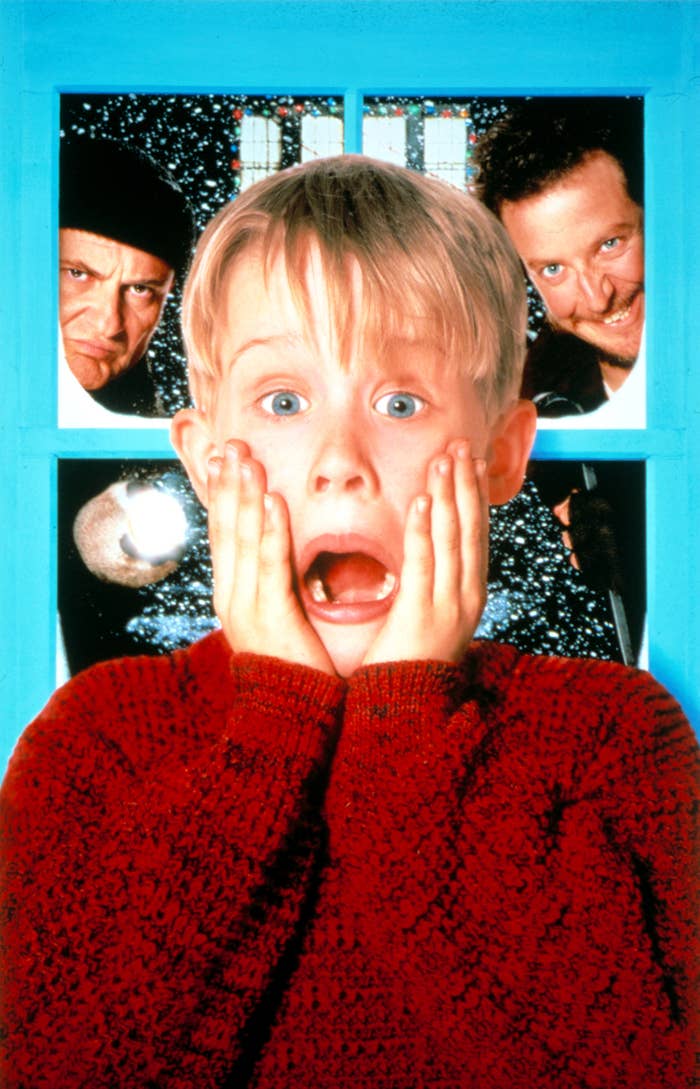
1. Home Alone almost wasn't made because Warner Bros. canceled the production after the film's budget was increased from $10 million to $14 million.
©20thCentFox/Courtesy Everett Collection
You read that right: Home Alone nearly never got made due to concerns over its budget. Originally, the film was planned with a $10 million budget (which was modest even for the time), but as production needs grew, the cost rose to $14 million. Warner Bros., which was the studio originally behind it, became nervous about the increase and decided to cancel the project because they thought the film would be a modest hit at best.
This put director Chris Columbus and writer-producer John Hughes in a difficult position, as they had already invested time and creative energy into the story. Eventually, 20th Century Fox picked up the film (although they were technically not supposed to) and agreed to move forward with the higher budget. The gamble paid off: Home Alone became a massive hit, grossing $143 million at the box office during its initial release.
2. Marge Simpson's hair was originally designed to hide rabbit ears as a joke about her being part cartoon rabbit.

20th Century Fox Film Corp. All rights reserved. /Courtesy Everett Collection
Back when The Simpsons was first being created, Matt Groening had a wild idea tied to his earlier comic strip Life in Hell. He originally imagined Marge's tall blue hair hiding big rabbit ears, as a secret gag that might be revealed in the series finale. (Life in Hell was a comic strip about rabbits.) That idea was eventually dropped because it felt too out-there even for the show's tone, so Marge's hair stayed just a weird beehive style instead.
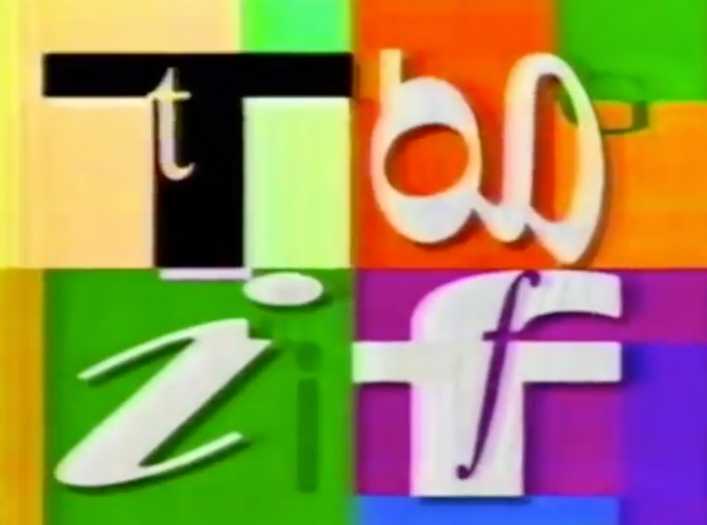
3. ABC's "TGIF" did not stand for "Thank God It's Friday."
ABC / Via youtube.com
ABC launched its TGIF block in 1989 as a Friday night lineup of family sitcoms, aiming to keep people watching TV at a time when networks typically expected low ratings on Fridays. Many viewers (myself included) assumed the letters stood for "Thank God It’s Friday," because that phrase was already popular and fit. In fact, the creator, Jim Janicek, said the intended meaning was "Thank Goodness It's Funny," a phrase ABC used to avoid conflicts with the TGI Friday's and emphasize the block's humor.
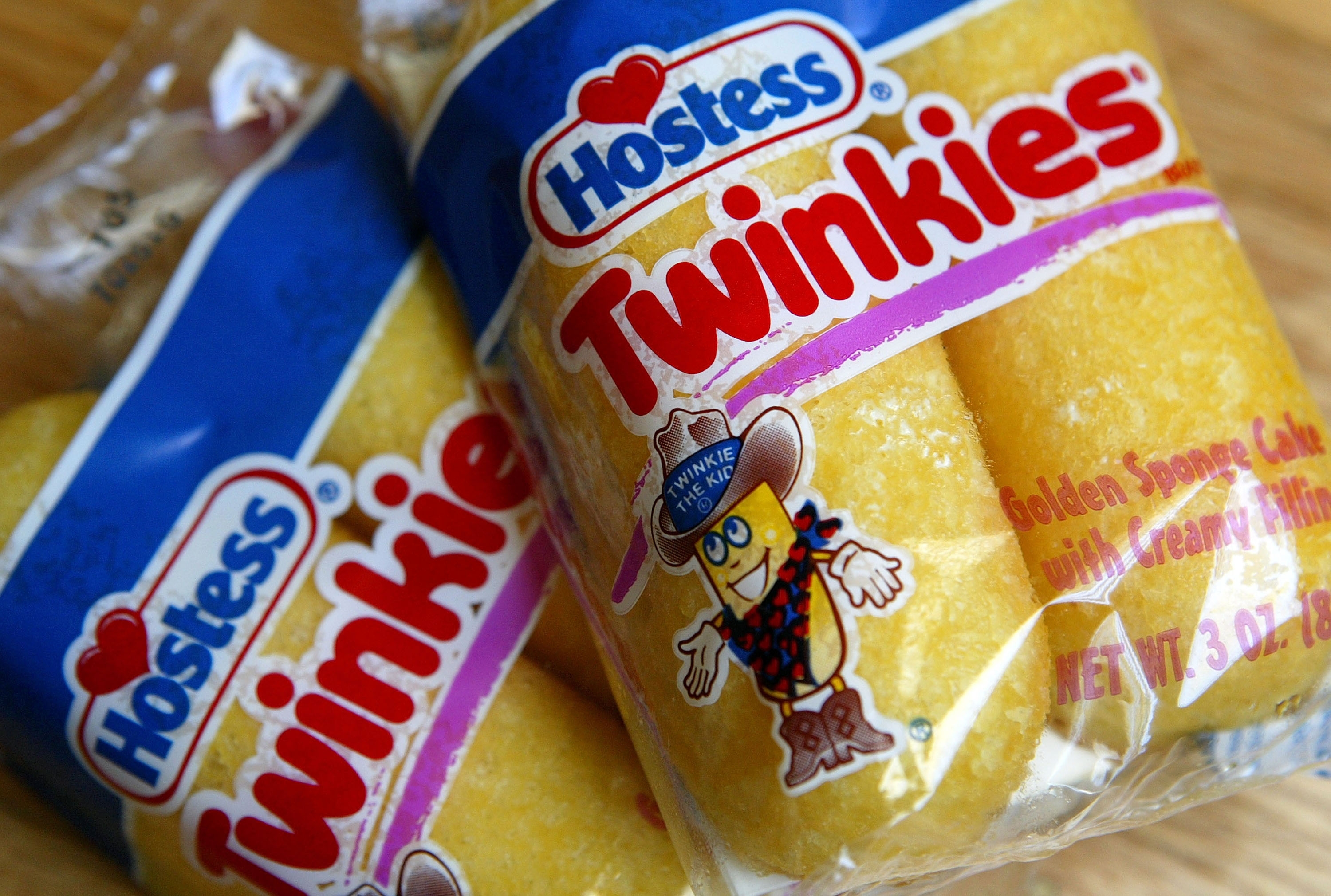
4. Twinkies were invented to use up strawberry shortcake pans during the off-season. It also originally had a banana filling.
Justin Sullivan / Getty Images
They were created in 1930 by James "Jimmy" Dewar, a baker at Continental Baking Company, who was looking for a way to keep factory equipment in use year-round. The company had pans that were only used for strawberry shortcake during the short strawberry season. To avoid wasting them, Dewar came up with a small sponge cake filled with cream and sold it as a new snack. The original filling was banana flavored, which was popular at the time. During World War II, banana shortages forced the company to switch to vanilla cream instead. The vanilla version stuck and eventually became the Twinkie people know today.
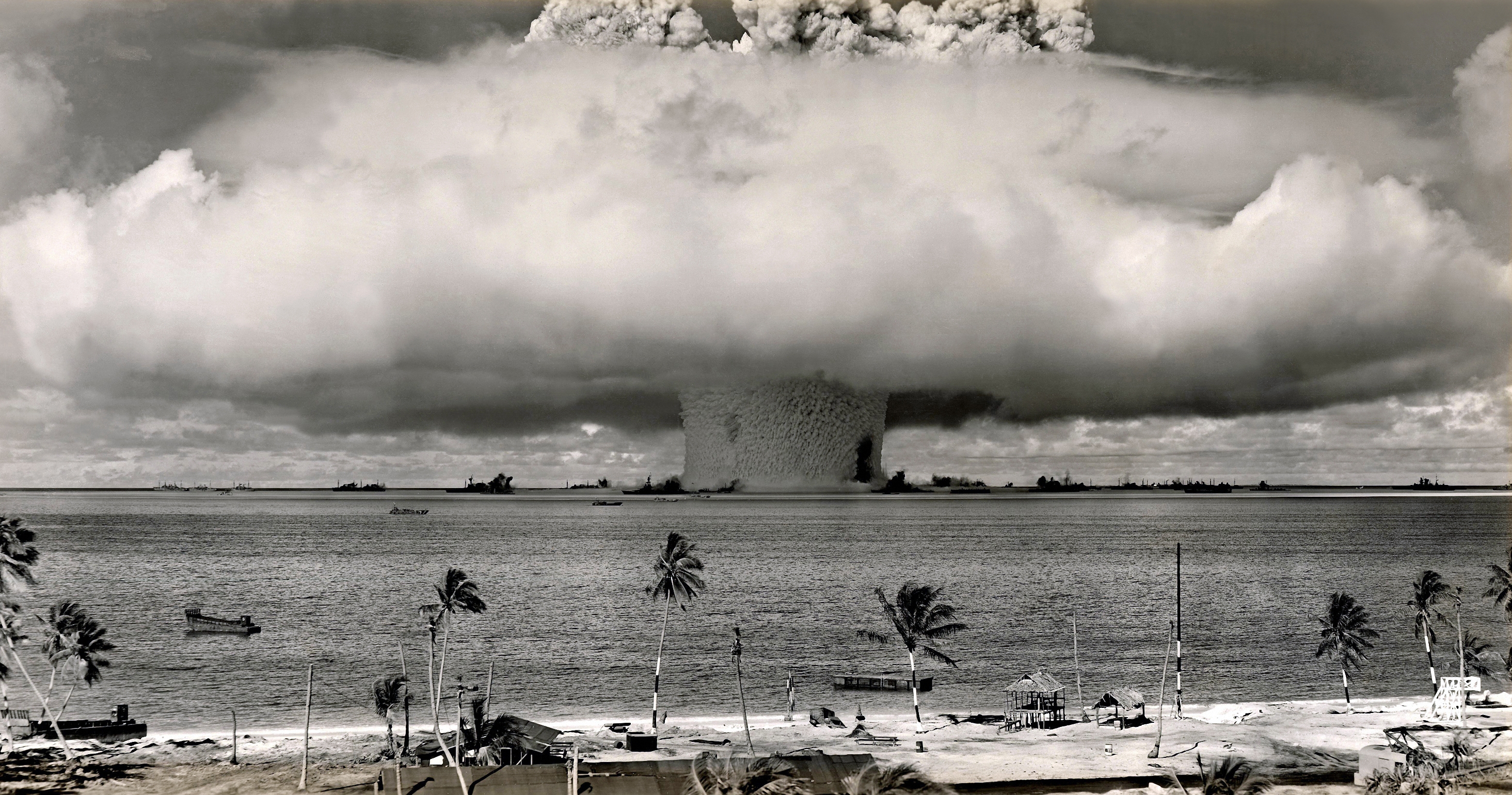
5. The bikini swimsuit was named after the Bikini Atoll nuclear tests.
Galerie Bilderwelt / Getty Images
When the bikini was introduced in 1946 by French designer Louis Réard, two-piece swimsuits were still considered very scandalous. He wanted a name that would suggest something shocking and explosive. Just days earlier, the United States had conducted nuclear tests at Bikini Atoll in the Pacific, which were dominating global headlines. Réard borrowed the name to imply that his design would cause a similar cultural reaction.
6. Bryan Cranston made money (and still makes money) from whistling on Malcolm in the Middle.

Fox Network. All rights reserved. / Courtesy Everett Collection
During filming, Cranston often whistled short tunes during scenes, especially when Hal was distracted or deep in thought. The music clearance people asked him whose songs he was whistling because, even though it was just whistling, they still needed to clear them for copyright reasons. Cranston told them that the tunes were ones he made up on the spot.
The music clearance people told him to join the Songwriters Guild because he was technically creating songs for the show, and because those moments counted as musical performances, Cranston was able to receive small music royalties. Over time, those checks added up, and he would use that money to throw parties for the crew members. Eventually, crew members caught wind and started suggesting that he whistle more and more on the show so they could have more parties. To this day, aside from getting royalties for his performance on the show, he also gets royalties for his music too.
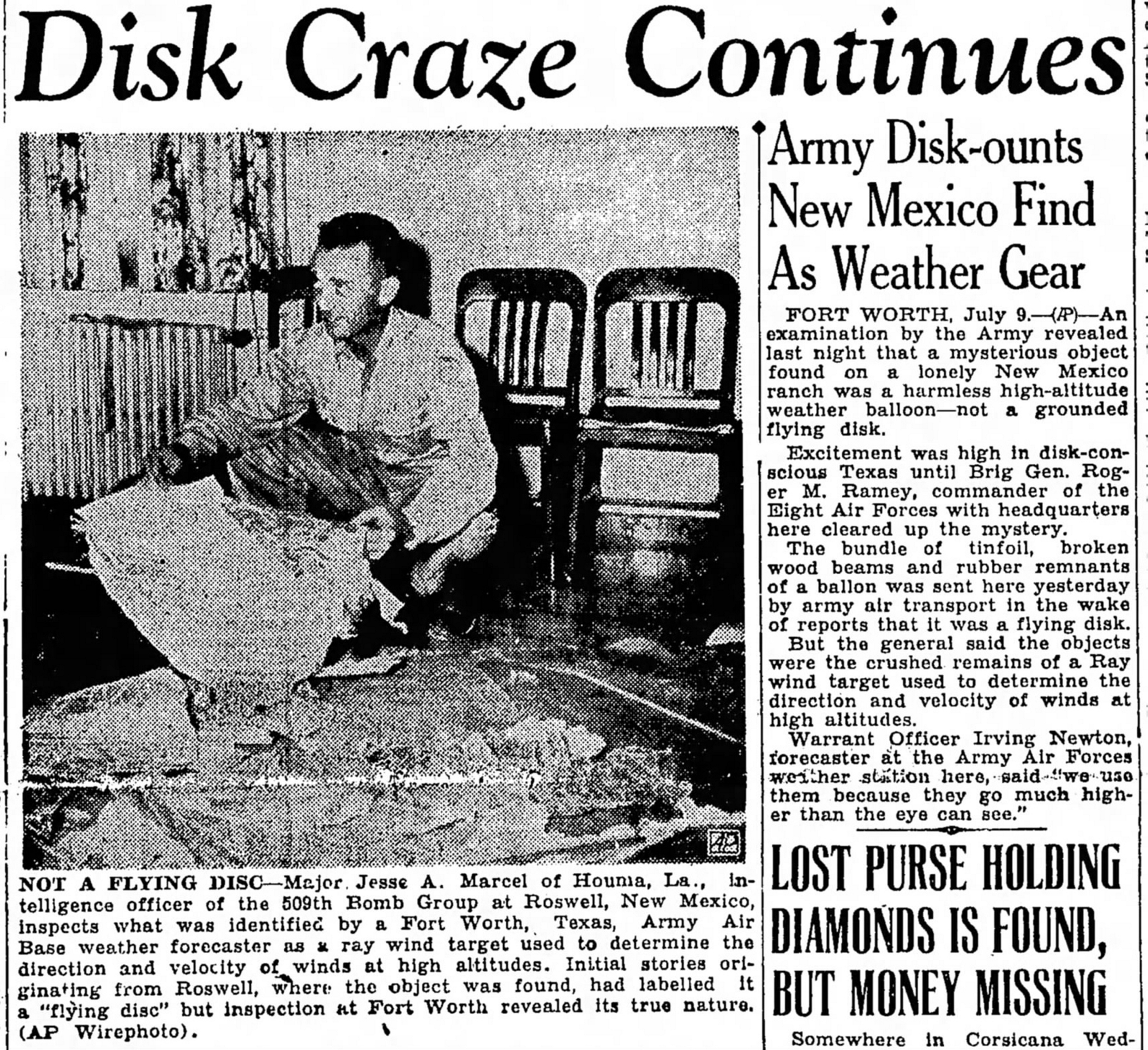
7. It was a 1989 episode of Unsolved Mysteries that put the Roswell UFO crash into the public spotlight.
Universal History Archive / Universal Images Group via Getty Images
In July 1947, the US Army released a statement saying that they had recovered wreckage found near Roswell, New Mexico, which was from a crashed UFO. However, the next day, they would retract that statement and instead say it was a mistake and that they had actually recovered a downed weather balloon. This explanation largely stuck; the public moved on and forgot about the whole Roswell crash. For decades, it stayed a niche story, mostly discussed by locals and UFO researchers. In 1980, the book The Roswell Incident by Charles Berlitz and William Moore was published, helping to establish the story we know today. However, the book was only popular among UFO enthusiasts, and while that helped bring the Roswell story back into the limelight among that circle, it was still largely unknown to the general public.
That changed in 1989, when Unsolved Mysteries aired a segment that revisited the incident in dramatic detail. The episode featured interviews, reenactments, and claims that the government had not only covered up the recovery of an alien spacecraft, but also alien bodies. After that broadcast, Roswell became a household name and a permanent part of pop culture.
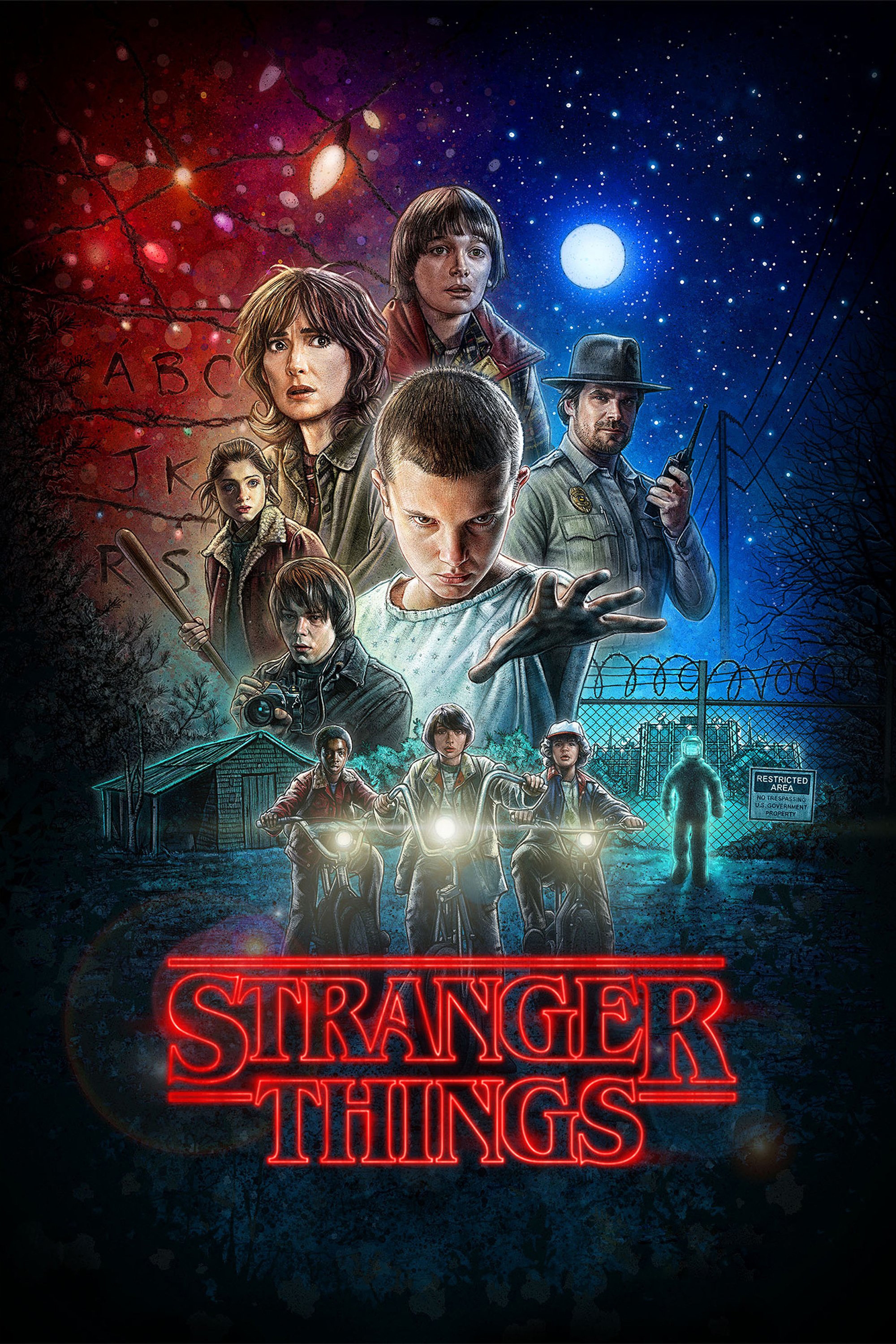
8. Stranger Things was rejected 15–20 times by various studios and networks because they didn't understand the concept.
Netflix / Everett Collection
When Stranger Things was first pitched, the show's creators, the Duffer Brothers, faced a lot of skepticism from studios. The concept combined supernatural horror, '80s nostalgia, Steven Spielberg-style kids adventure story, government conspiracies, and a plot about missing children — a mix that many executives didn't know how to categorize or even fully understand. Because it didn't fit neatly into a single genre, the project was rejected around 20 times, with studios worried it wouldn't find an audience. The Duffers kept refining their pitch, emphasizing the strong characters and the emotional core of the story alongside the sci-fi elements. Eventually, Netflix recognized the potential and greenlit the show, trusting that its mix of suspense, humor, and nostalgia could connect with viewers. It, of course, proved to be the right move, as it has gone on to be a HUGE hit. In fact, the premiere of the first half of the final season has become Netflix's biggest English-language debut ever, with 59.6 million views.
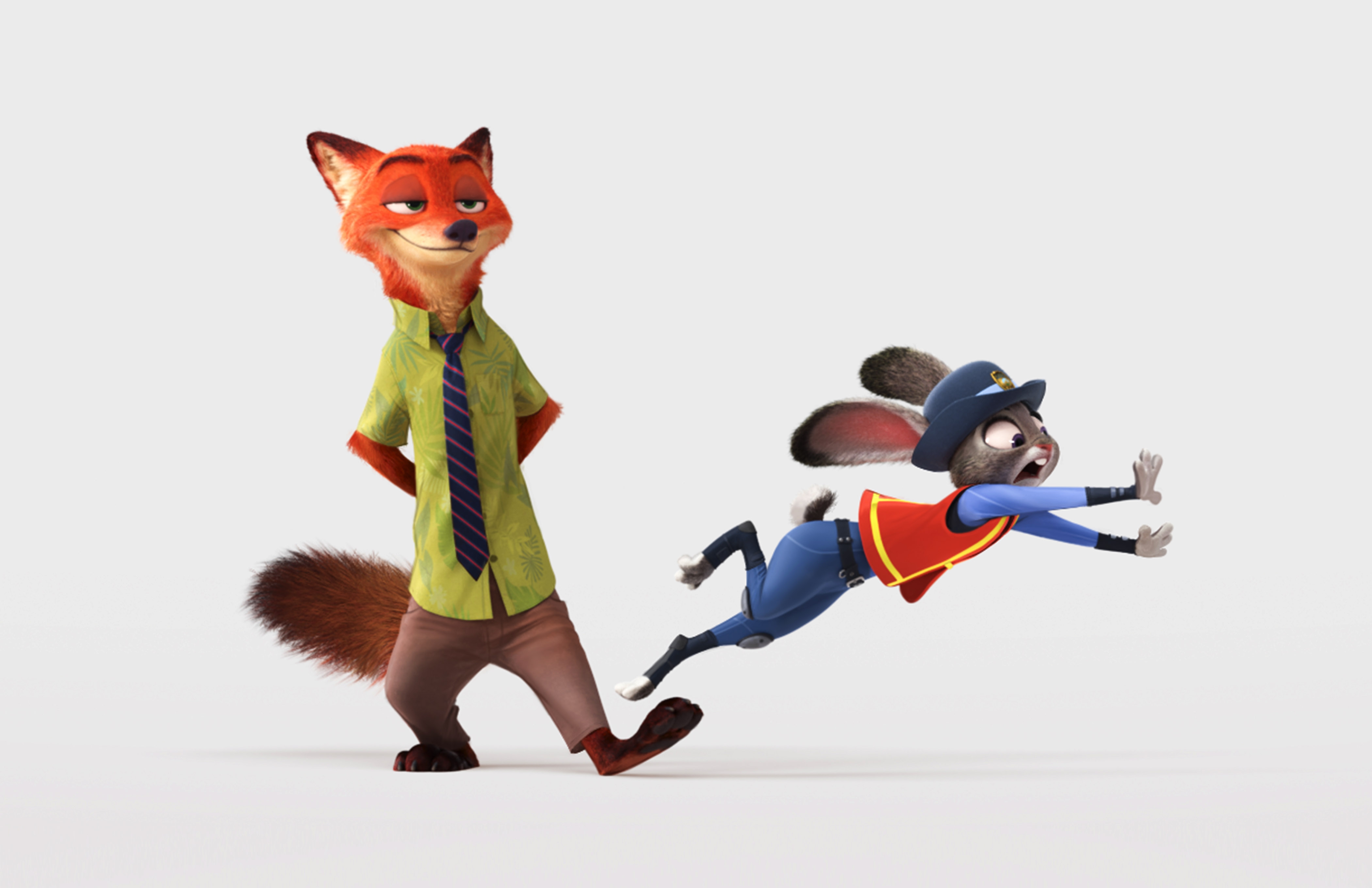
9. Zootopia was almost a completely different movie; it was much darker and had Nick Wilde as the main character.
Disney / ©Walt Disney Co./courtesy Everett / Everett Collection
In that version, the story focused on Nick living in a society where predators were forced to wear shock collars that punished them for acting on instinct. Judy Hopps still existed, but she was more of a supporting character who helped Nick challenge that system. When Disney tested the film, audiences found the world too bleak and struggled to connect with Nick as the emotional center of the story.
In a rare move for an animated movie, the studio decided to entirely rework the nearly finished movie and shift the focus to Judy, reframing the film as a police procedural/buddy movie seen through her eyes. Nick's collar storyline was removed, and his character was softened into a charming outsider rather than a victim of institutional control. The rewrite changed the tone of the movie and helped turn Zootopia into the massive hit franchise it is today.
10. The creator of Gilligan's Island said the characters were based on the seven deadly sins.

CBS Photo Archive / Getty Images
When Gilligan's Island premiered in 1964, it was a light and weird sitcom about castaways, but its creator, Sherwood Schwartz, had a deeper idea behind the characters. He later said he modeled the seven main characters after the seven deadly sins. The Skipper represented wrath/anger, while Gilligan stood in for sloth. Mr. Howell symbolized greed, while his wife, Mrs. Howell, symbolized gluttony. Ginger was lust, Mary Ann was envy, and the Professor embodied pride.
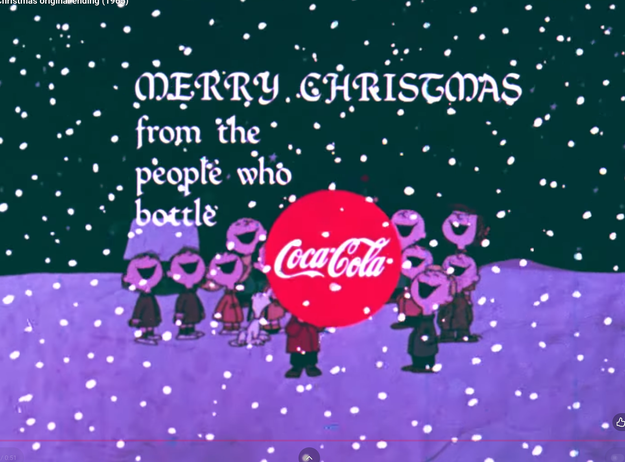
11. A Charlie Brown Christmas is famously known as a protest against the commercialization of Christmas, but it was actually Coca-Cola that paid for its production.
Lee Mendelson Film Productions /Bill Melendez Productions / Via youtube.com
In the classic special, Charlie Brown openly questions the nonstop buying, decorating, and pressure to perform holiday cheer. However, the whole thing was created due to commercialization. Coca-Cola commissioned the project in 1965 as part of its holiday advertising strategy for network television. The company gave producer Lee Mendelson and creator Charles M. Schulz a rare amount of creative freedom, which is what probably allowed the story's anti-commercial message to stay intact. The first broadcast featured integrated commercials from Coca-Cola, and later broadcasts also included ones from Dolly Madison as well. Eventually, the integrated commercials were cut from broadcasts and just shown as the special we know today.
12. The classic 1980s sitcom 227 was originally a live stage play before being adapted into a TV show.
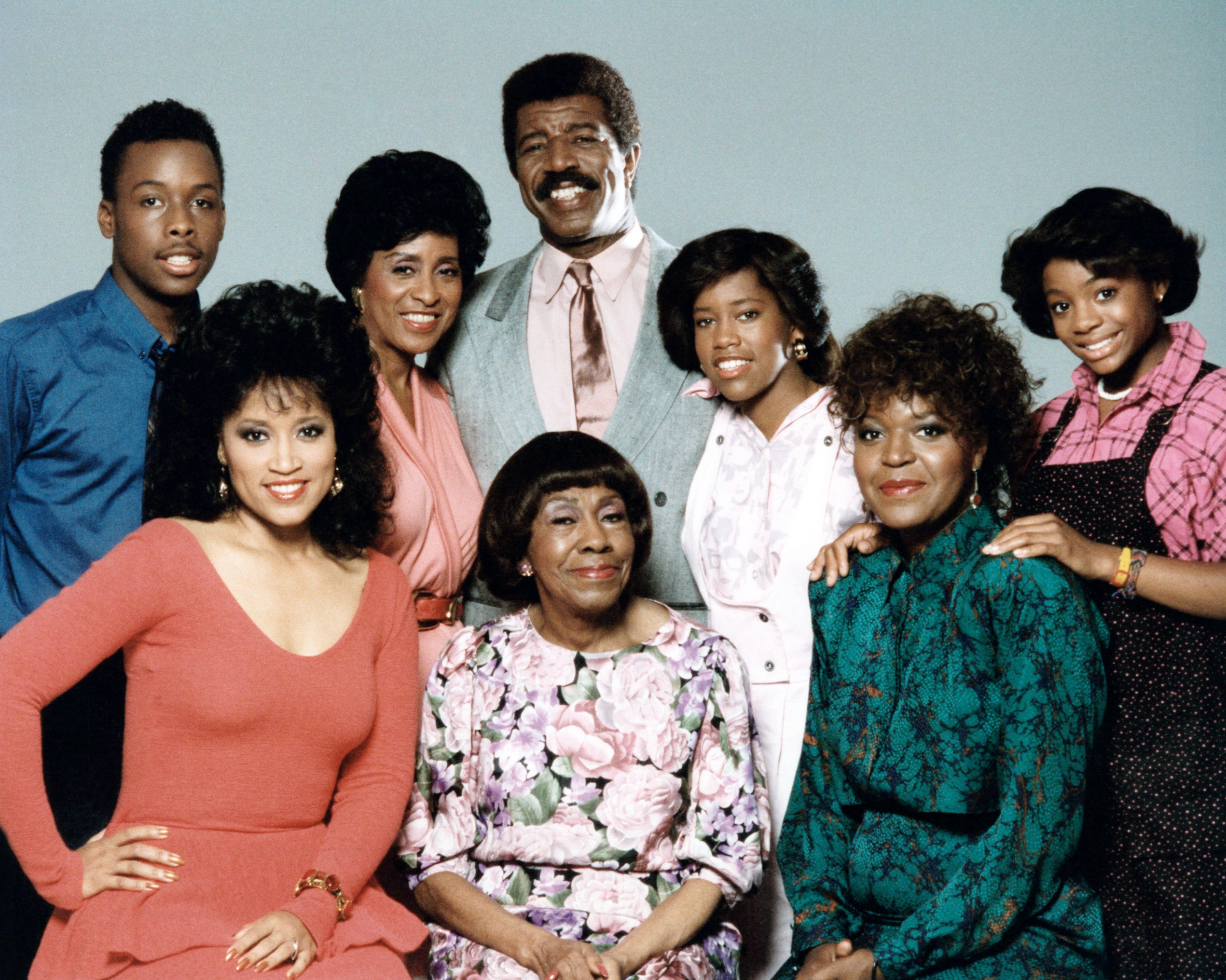
©Columbia Pictures/Courtesy Everett Collection
Before 227 became a beloved sitcom on NBC, it started out as a live stage play called Two Twenty Seven. Written in the late 1970s by Chicago native Christine Houston, the play was created for the Norman Lear playwriting contest at Kennedy-King College. Houston drew heavily from her childhood in the 1950s, when she lived in an apartment building at 227 East 48th Street in Bronzeville. She based the characters on the women she grew up around.
Houston won first place in the contest and was invited to come to LA to write an episode for Lear's TV show, The Jeffersons. While writing the episode, she caught the attention of one of the show's stars, Marla Gibbs. In 1977, the play premiered in Chicago and was a hit. Gibbs and her daughter, actress Angela Gibbs, brought the play to LA, where they produced it, and Marla starred in it. She then told Lear that he should bring it to TV after he asked her about the play. With Lear and Gibbs behind it, NBC decided to adapt it into a TV show as a starring vehicle for her. For the sitcom, the setting was moved from 1950s Chicago to contemporary Washington, D.C., and the title was shortened to the numbers 2-2-7.
13. The Twilight Zone theme song is one of the most iconic and recognizable pieces of music in television history, but it wasn't the original theme song.
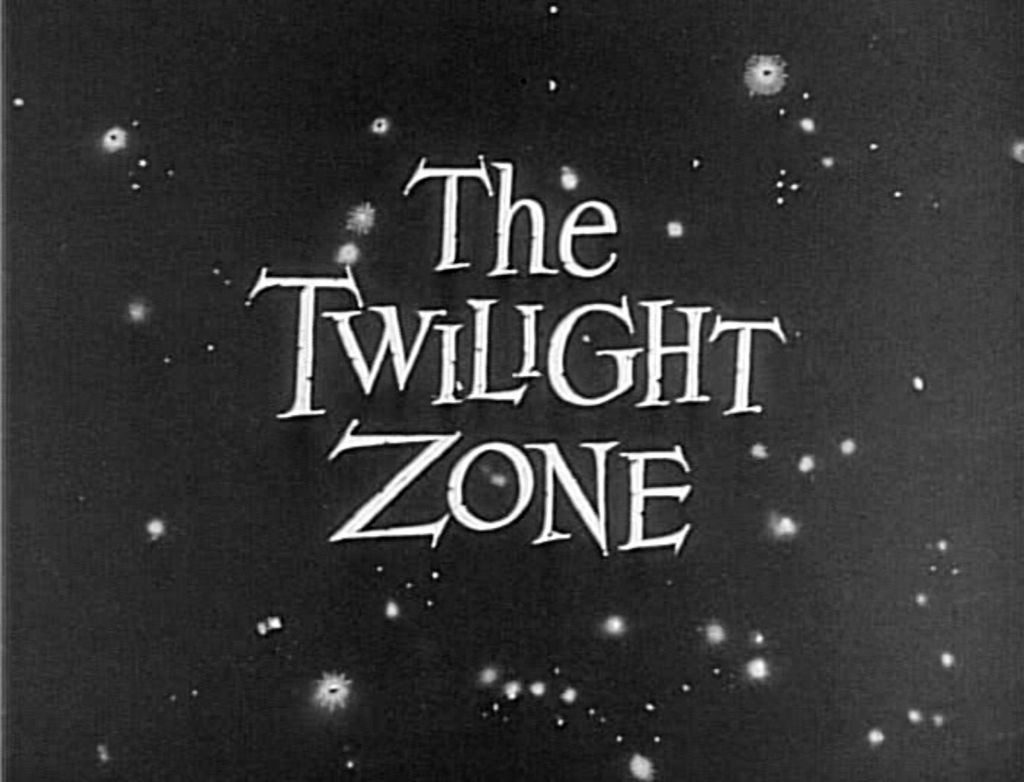
Cbs Photo Archive / CBS via Getty Images
In the first season of The Twilight Zone, the show's theme song was originally composed by the legendary Bernard Herrmann. However, CBS executives really disliked Herrmann's score. In response, Lud Gluskin, CBS's music director, brought in Romanian-born, Paris-based composer Marius Constant to create some short musical cues. Gluskin then combined two of Constant's cues to form the now-iconic theme that would debut in Season 2. Remarkably, Constant didn't even realize for years that his music had become the show's signature sound. That simple combination of cues went on to become one of the most recognizable television themes in history.
14. The creator of Garfield originally planned for the comic to star Jon Arbuckle, not Garfield.
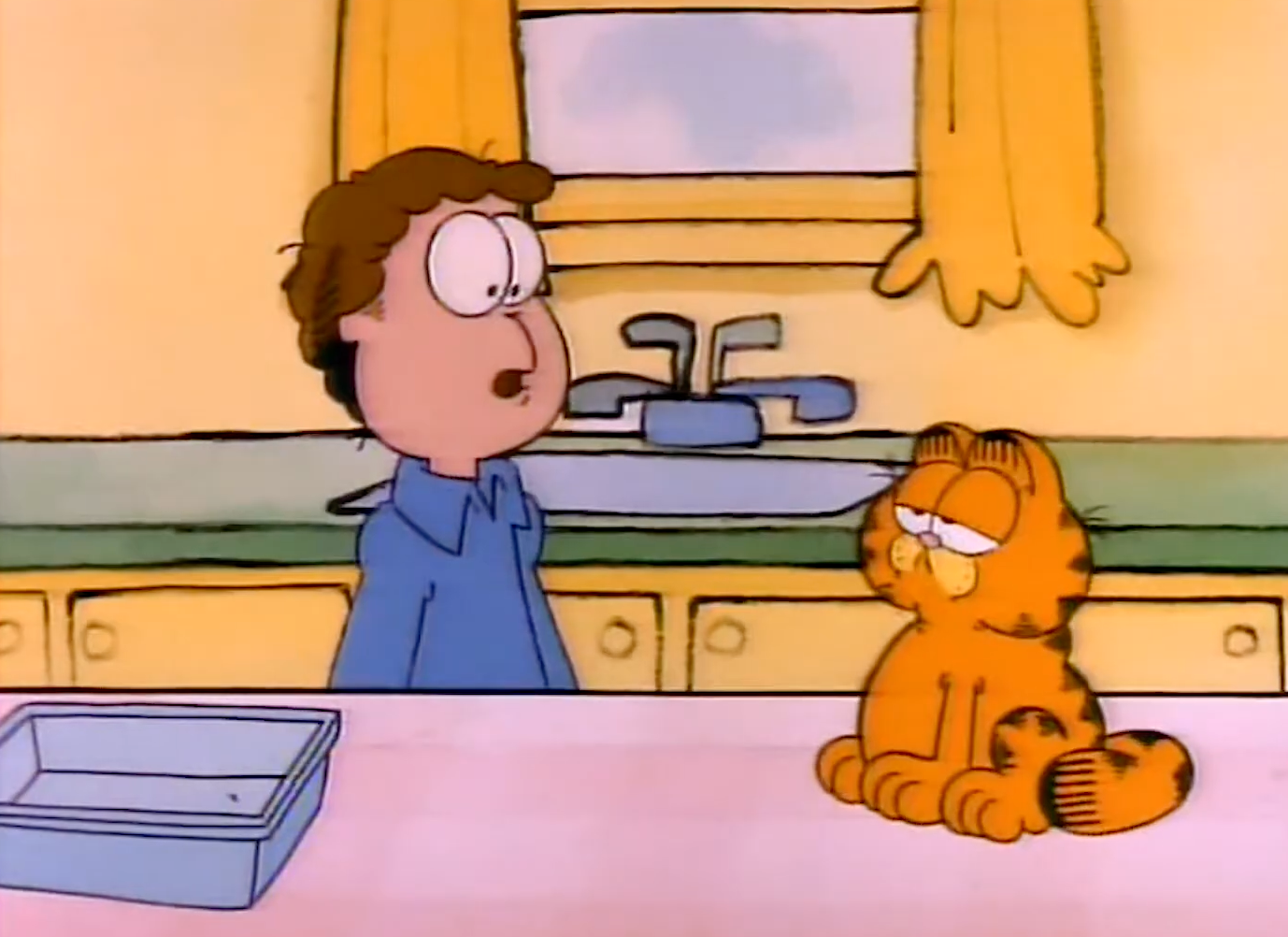
Garfield & Friends / Via youtube.com
When Garfield creator Jim Davis first came up with the comic wasn't meant to be about the cat at all. His original idea centered on Jon Arbuckle, a lonely, awkward cartoonist dealing with work, dating, and everyday life. Garfield was created as Jon's pet, mainly to add visual humor and break up the human-focused jokes. But as the strip began its run, Davis realized the cat's sarcastic attitude and selfish behavior were far funnier and more relatable than Jon's neuroses. Readers quickly responded to Garfield's personality as well, and the balance of the strip shifted. Before long, Garfield became the clear star, while Jon moved into a supporting role.
15. The iconic cocktail dress that Bette Davis's Margo Channing wears in All About Eve was not supposed to look like that and was a very last-minute accident.
©20thCentFox/Courtesy Everett Collection
Even if you have never seen All About Eve, you can probably picture Davis as Margo Channing wearing an off-the-shoulder silk cocktail dress, saying, "Fasten your seatbelts, it's going to be a bumpy night." It is one of the most iconic dresses in film history and has become synonymous with Davis herself. Legendary costume designer Edith Head designed the dress; however, it was not meant to be off the shoulder — it was supposed to be a square neckline.
Davis joined the production for Eve at the very last minute because Claudette Colbert, who had originally been cast as Margo, had to drop out due to a back injury. Because of this, the dress Margo wears in the scene was made late into the film's production and was delivered to the set right before filming the scene. According to Head, she came to the studio to find Davis wearing a dress that "didn’t fit at all... Someone had miscalculated, and the entire bodice and neckline were too big." Horrified, Head prepared to go tell the film's director that the dress was not ready and that they wouldn't be able to film, but Davis shrugged it off, pulled it down around her shoulders, and quipped, "Don't you like it better like this anyway?"
16. The characters of Shane Hollander and Ilya Rozanov in Heated Rivalry are actually partially inspired by two real-life pro hockey players.
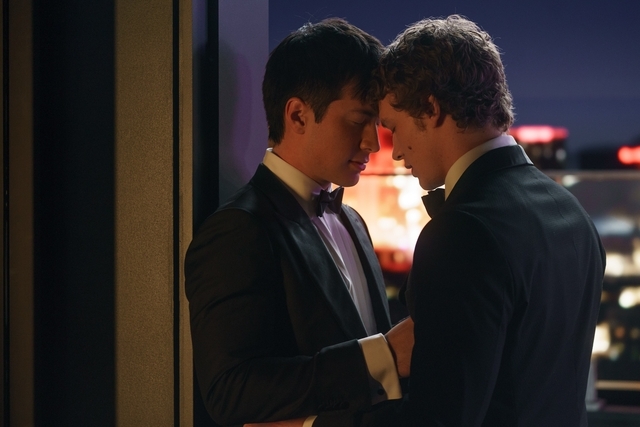
Sabrina Lantos/HBO Max
Rachel Reid, who wrote the novel of the same name that Heated Rivalry is based on, drew inspiration for the characters of Hollander and Rozanov from the real-life hockey rivalry between NHL players Sidney Crosby and Alexander Ovechkin. The intense competition between Crosby and Ovechkin gave her a foundation for imagining the fierce on‑ice clash between her two leads. FTR, the two players were not lovers.
Reid has stressed that while the two professional players inspired certain traits and the rival dynamic, Hollander and Rozanov are original creations crafted to serve the story's enemies‑to‑lovers romance.

17. Hermès didn't set out to make orange its trademark color — it was more of an accident.
Edward Berthelot / GC Images
The shade actually came from a practical problem during World War II, when materials were hard to get. The company's packaging supplier didn't have Hermès's usual colored packaging in stock, so they sent them the only cardboard they could find, which happened to be bright orange. At first, it was simply a temporary solution. Over time, shoppers began to recognize the orange boxes, and the color became closely tied to the brand. Hermès eventually kept it on purpose, turning an accidental choice into one of the most recognizable colors in fashion.
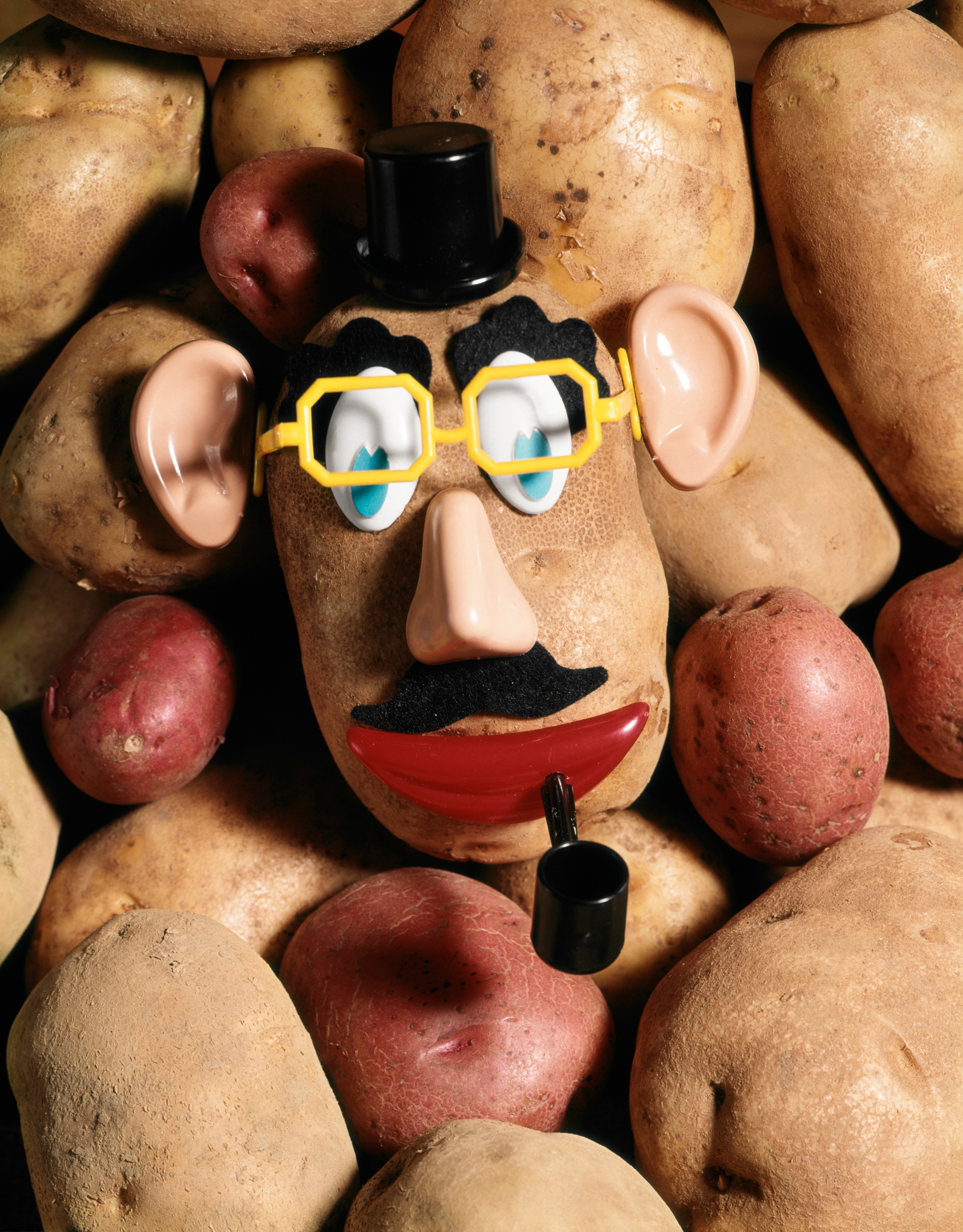
18. Mr. Potato Head originally didn't come with a plastic potato body. In fact, you were actually supposed to use a real potato.
ClassicStock / Getty Images
When Mr. Potato Head was first introduced in 1952, it was designed as a set of plastic facial features — eyes, ears, a mouth, and a nose — that kids could stick into a real potato or other vegetables. The idea came from George Lerner, who wanted a toy that encouraged creativity and imaginative play without relying on a pre-made figure. Kids could mix and match parts, turning an ordinary vegetable into a funny character, which also made the toy affordable and flexible. It wasn't until 1964 that Hasbro started including a plastic potato body, making the toy cleaner and easier to use.
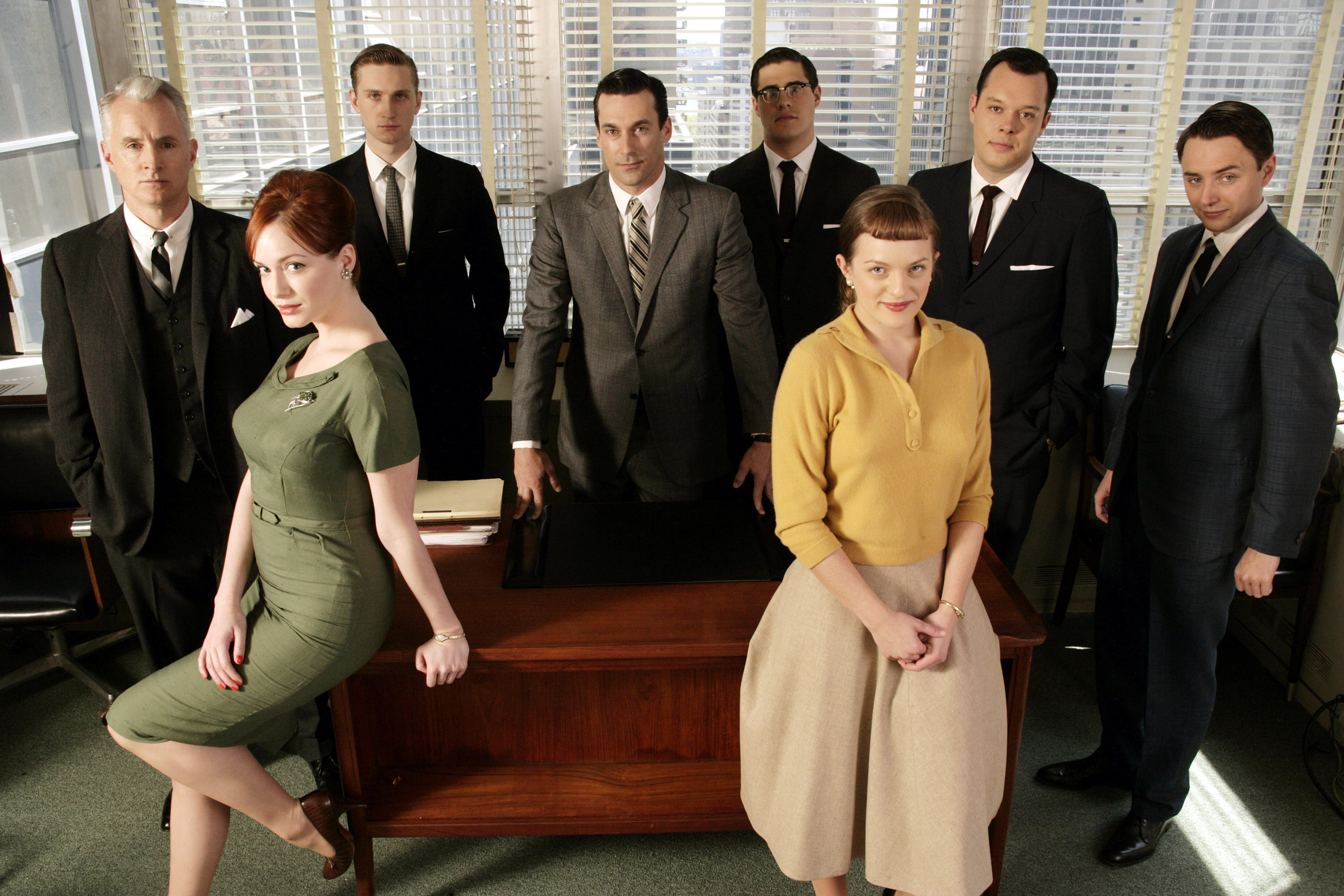
19. HBO has made a huge deal of now having Mad Men on streaming in 4K, but the network not only initially passed on the series, but they also didn't even read the pilot.
Amc / ©AMC / courtesy Everett Collection
Mad Men is considered one of the greatest TV shows of all time, so it seems wild that any network would pass it on, but HBO did. The show's creator, Matthew Weiner, had envisioned the show for HBO when he first wrote it, which makes sense because, at the time, it was the only cable network producing "prestige" TV shows.
Additionally, Weiner had written several episodes of The Sopranos and considered himself part of the "HBO family." Even the Sopranos showrunner, David Chase, was telling everyone at HBO that they needed to read the script. Weiner went on to say of the whole thing, "It was very disappointing to me, as I pushed the rock up the hill, that they did not notice me. Because I was part of the family."
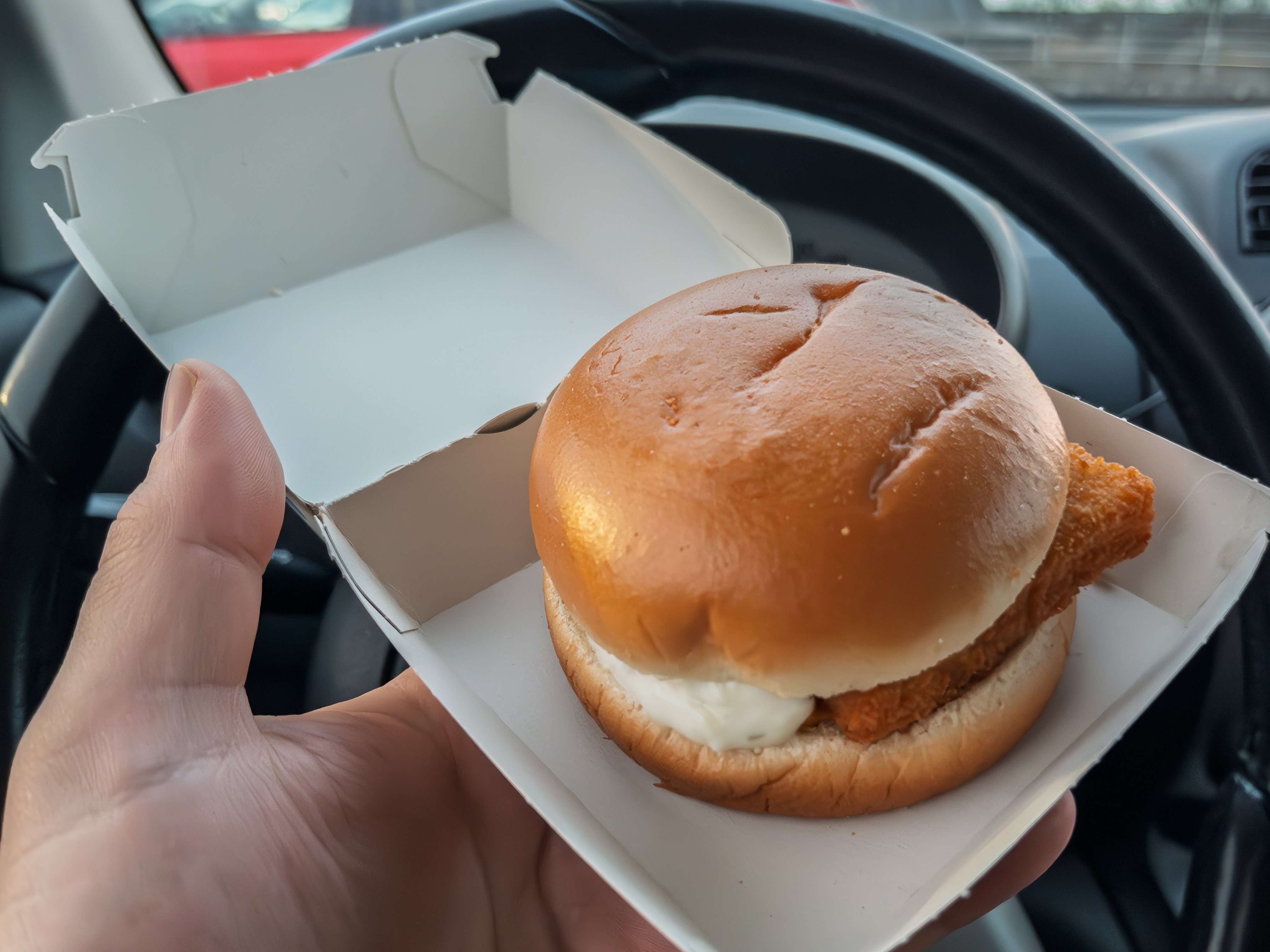
20. McDonald's added the Filet-O-Fish because they noticed a drop in sales on Fridays in Catholic neighborhoods.
Webclipmaker / Getty Images
In the 1960s, many Catholics observed the tradition of abstaining from meat on Fridays (not just during Lent), which meant they weren't buying hamburgers. Lou Groen, a McDonald’s franchise owner in Cincinnati, noticed that sales dropped on those days in his predominantly Catholic neighborhood and wanted a way to keep customers coming in because he was really losing money.
Noticing that a fried fish restaurant down the street from him was always busy on Fridays gave Groen the idea to create a fish-based sandwich. He suggested the idea to McDonald's CEO, Ray Kroc, who had already come up with his own meatless burger idea: a grilled pineapple sandwich called the Hula Burger. Kroc told Groen that they would compete to see which burger was more popular, and whoever's burger sold the most in a day would be added to the menu. Needless to say, the Filet-O-Fish won, and it was soon added to the national menu. The Filet-O-Fish also helped save Groen's McDonald's restaurant.
François Sechet/Leemage via Getty Images, SME / Via youtube.com
Yup, Stephen King once said that his love for Lou Bega’s "Mambo No. 5" caused a real argument at home. He went through a phase where he played the song over and over, sometimes looping the dance mix while he wrote. King has talked about how he uses music to stay focused, especially songs with simple lyrics or strong rhythms. During the period when he was working on 11/22/63, "Mambo No. 5" became his go-to track, and he blasted it so often that it wore on his wife, Tabitha. She eventually told him that if he played it one more time, she might actually leave the house — or him. King later joked about the moment, but he also admitted that he eased up on the song after realizing just how much it was driving her up the wall.
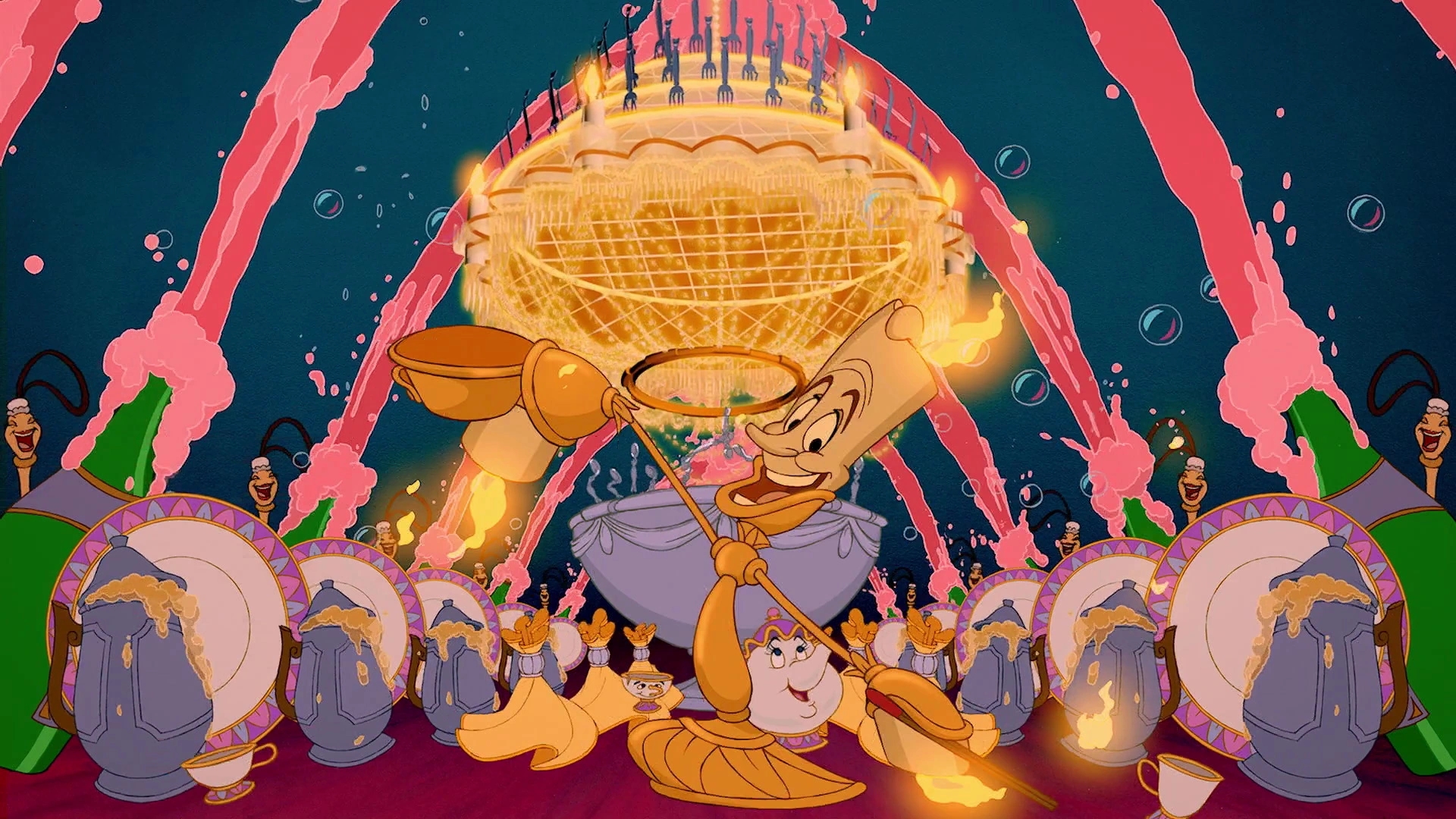
22. And lastly, "Be Our Guest" in Beauty and the Beast was inspired by the amazing customer service at a Residence Inn hotel in Fishkill, New York.
Disney
During the film's production, lyricist Howard Ashman (who, along with composer Alan Menken, started the Disney Renaissance) was living near Fishkill, New York, while battling AIDS. He was too sick to travel to LA, so Menken and a team decided to fly to Upstate New York and work with Ashman there. They set up their base at a local Residence Inn and worked on the movie's music from a conference room there. The team liked the hotel's warm, attentive service so much that it helped spark the idea for the song celebrating gracious hospitality. They even reportedly sent a letter thanking the staff and linking the song's message to the way they were treated.


 English (US) ·